This publication is in continuation of Freespace: Part I, published earlier this year. Herein is a collage of few selected works from the massive exhibition of ideas and architectural projects at the Arsenale. For Freespace: Part I use the following link:
https://dokatha.com/2020/05/24/freespace-part-i/
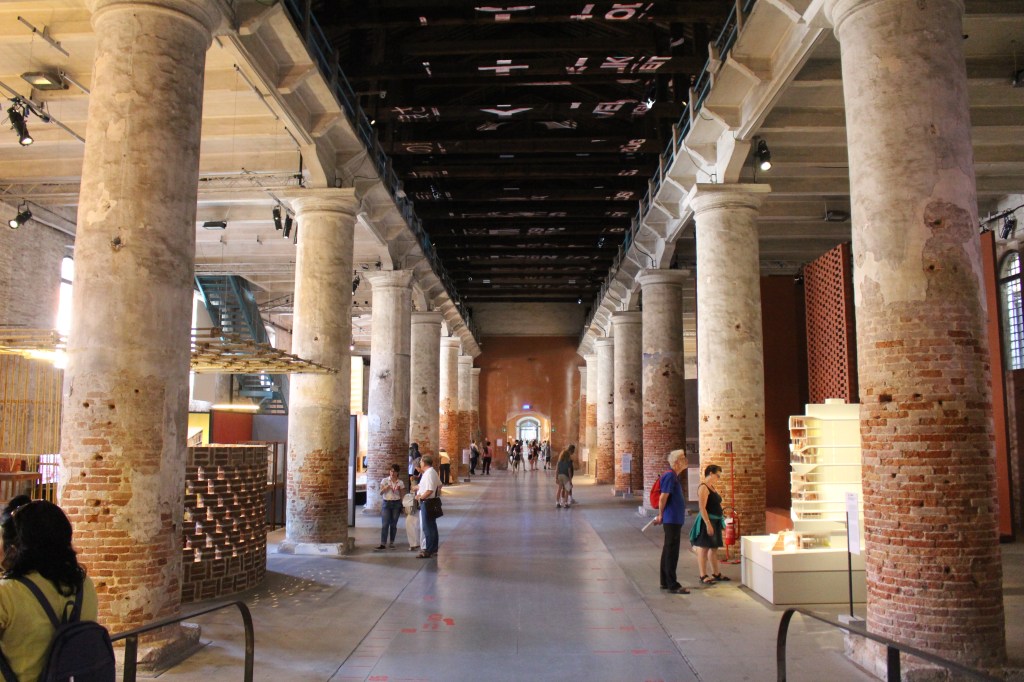
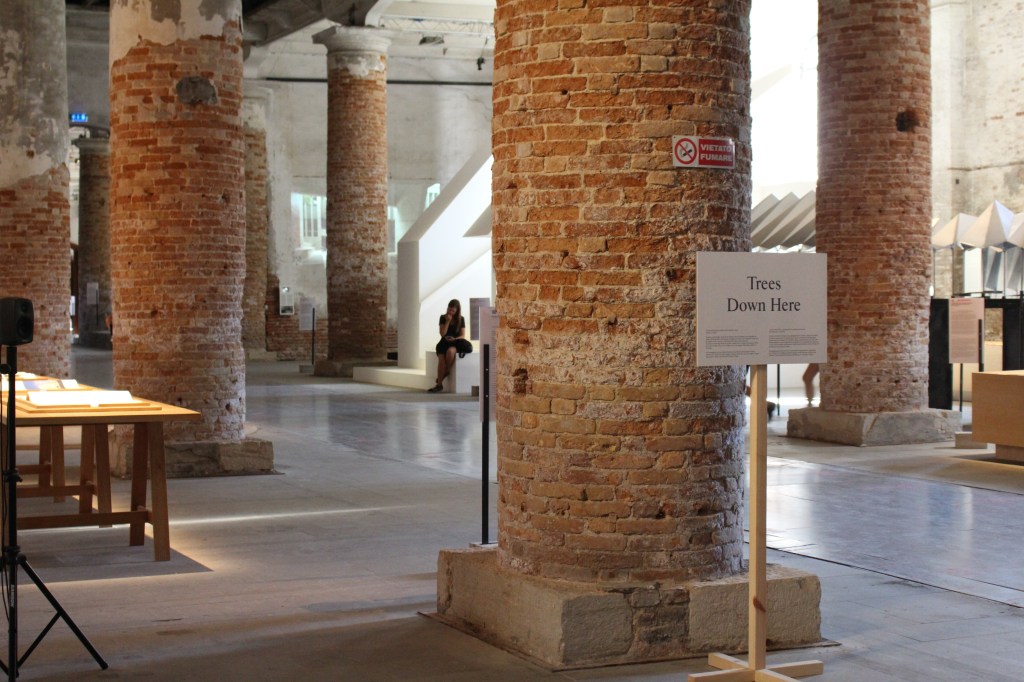
It wouldn’t be fair to not mention the grand repurposed colonnaded hall of Arsenale before mentioning the exhibitions. The imposing space is also an embodiment of the theme of 2018 Architecture Bienalle: Freespace. Here under one roof were laid ideas and expressions of freespace for designers, architects, and visitors of all ages to observe, appreciate, and critique the works of different participants.
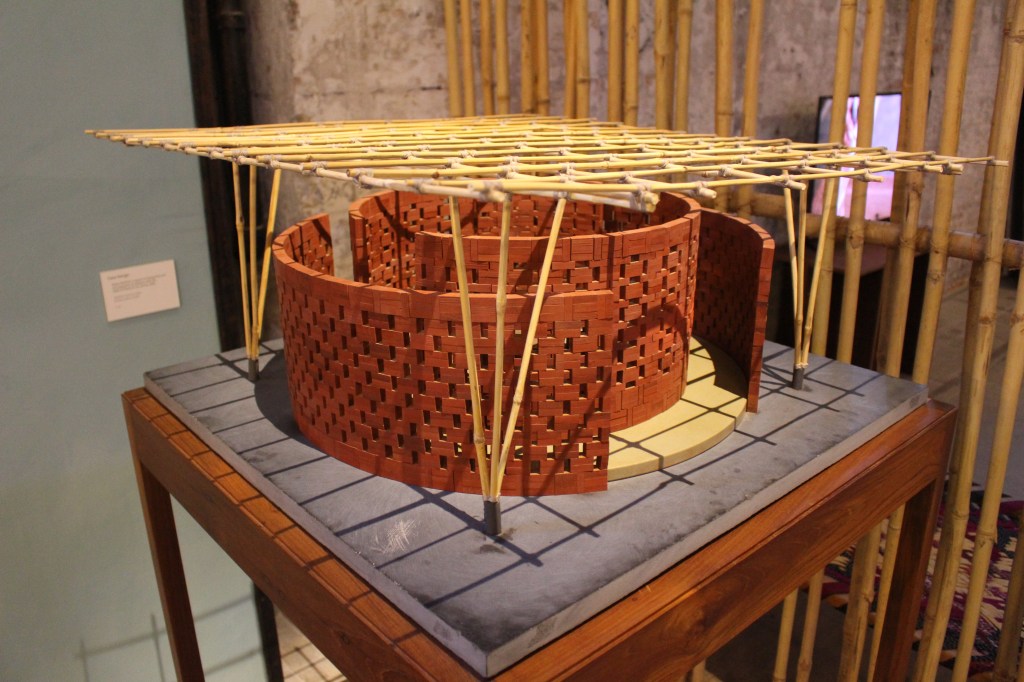
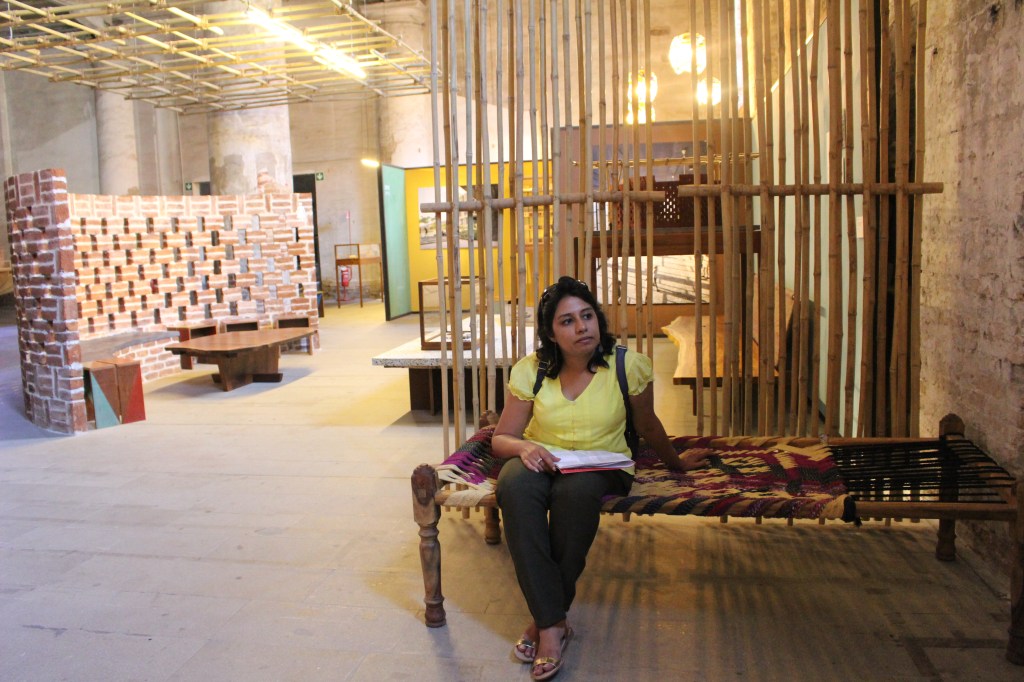
It was nice to see a couple of exhibits from India. For a large nation that we are, there is very minimal presence in the Bienalle. Hopefully, this will change in times to come. It was pleasant to see the use of red bricks and bamboo used for shading devices in this earthy design.
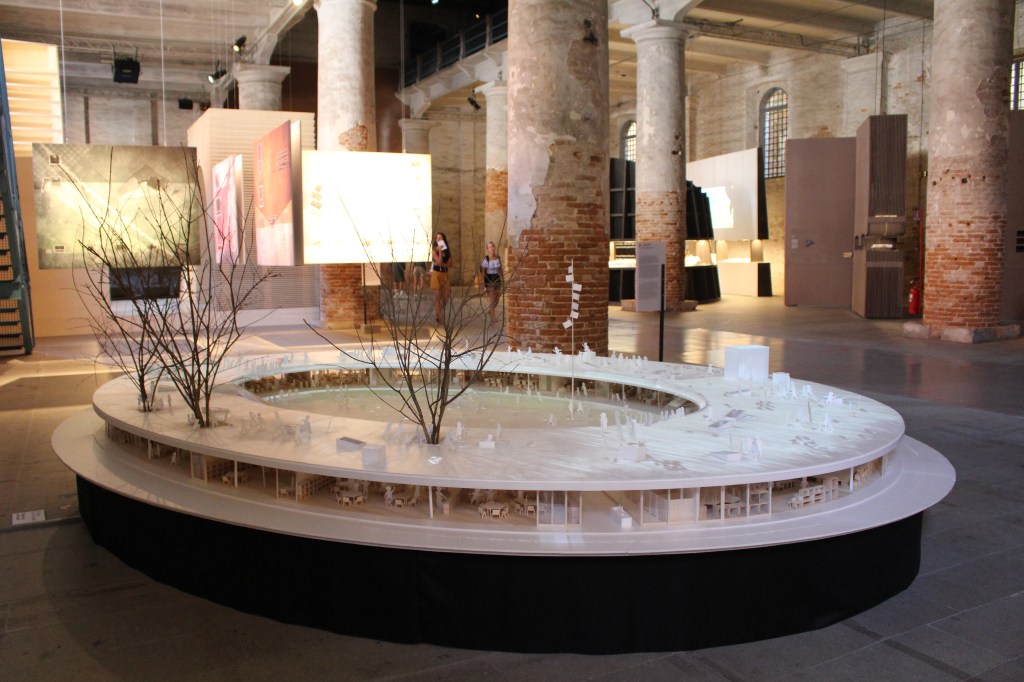
“When you put many children in a quiet box, some of them get really nervous. In this kindergarten there is no reason for them to be nervous because there is no boundary. The kindergarten is completely open, Freespace for most of the year.”
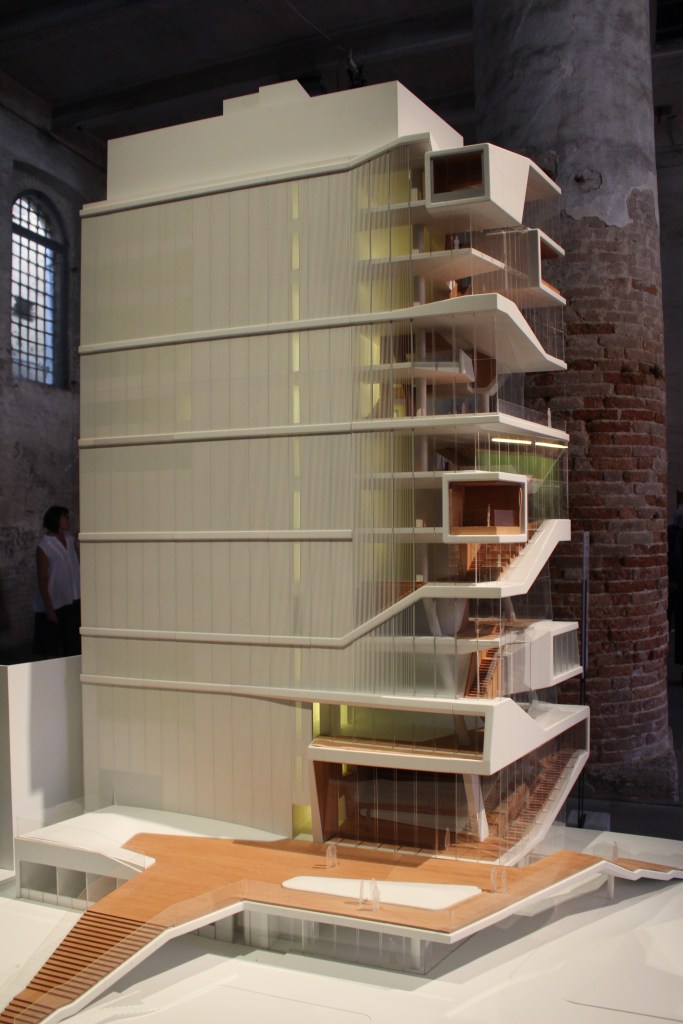
“This tower of learning, a school of medicine, offers a way of creating fluid vertical space, breaking the tyranny of the repeated floor plate normally associated with the making of towers. The theatrical quality of the vertical ribbon of spaces made up of staircases, social and study amphitheaters, generous galleries, and landings, all work towards unifying this fourteen-story into one convivial freespace.”
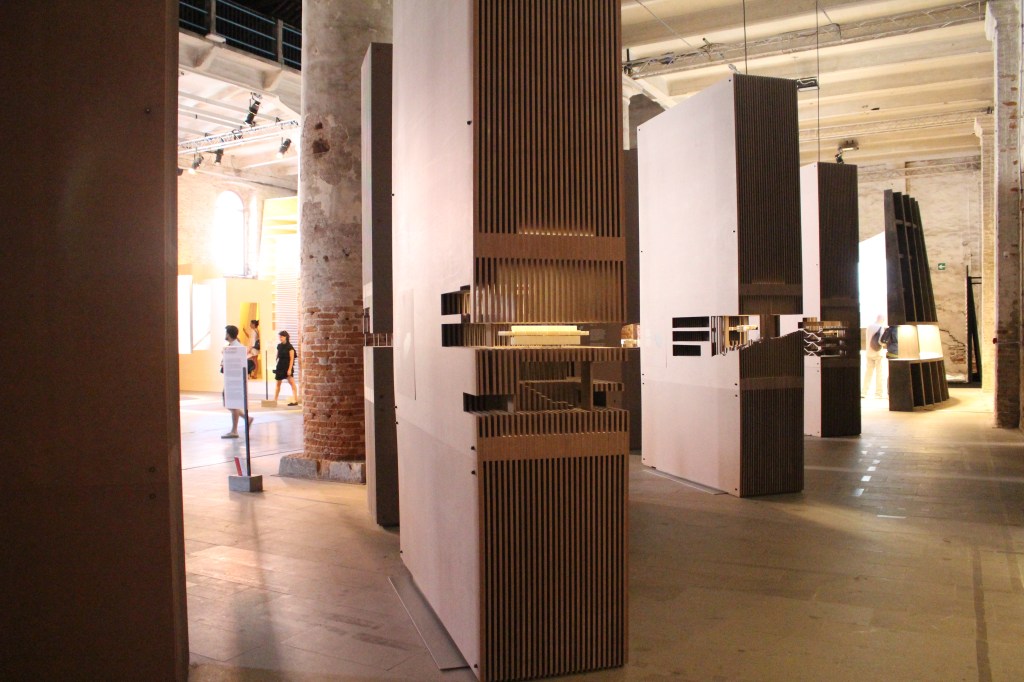
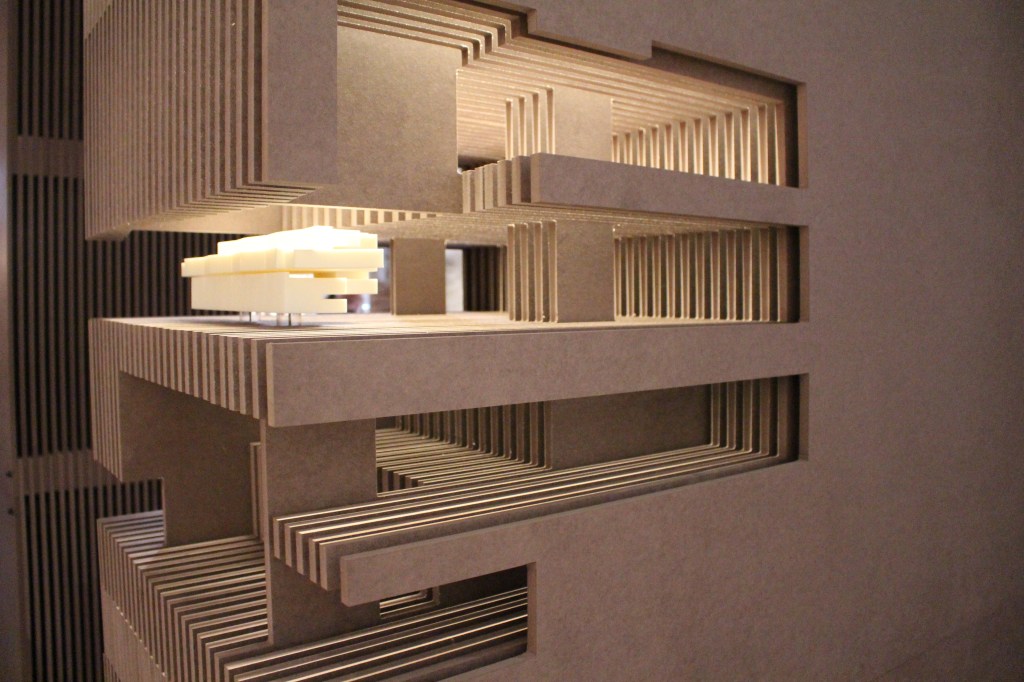
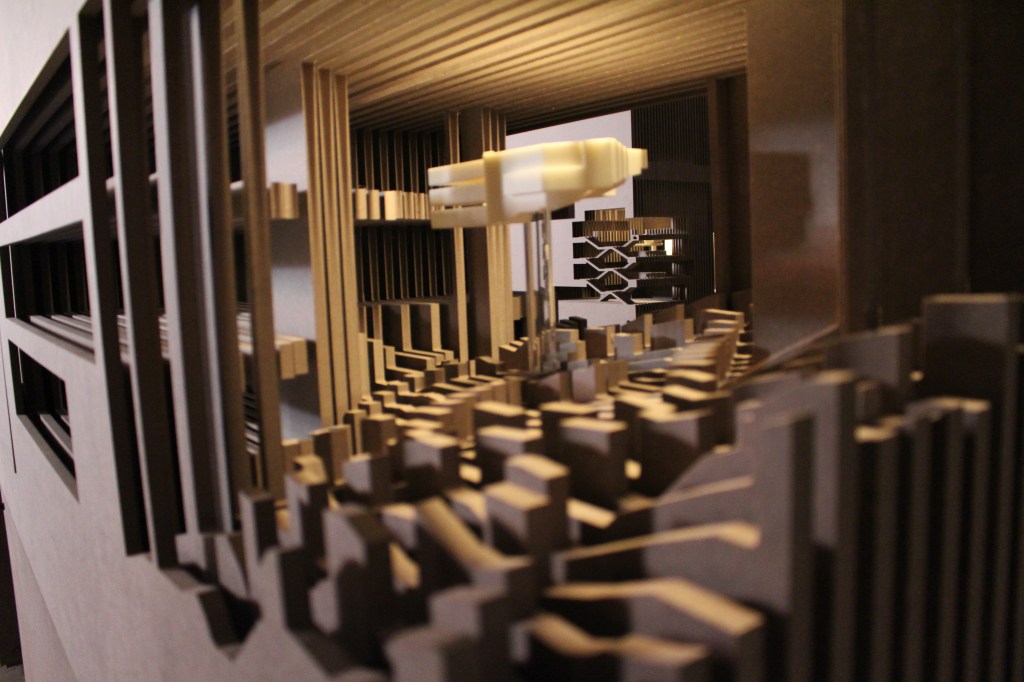
“Freespace is inhibited by people by can be defined by light, time or sound, fundamental tools in project design. Any space is perceived from an ‘inside’ and has a clear concave character because solids define and condition it.
Our exhibit enquires about the ‘convex’ condition of this space as if it were an imaginary solid that could be seen from the outside. Freespace is represented in six public buildings as the spatial homotethy between the surrounding surfaces of its convex space (solidspace) and its concave space (voidspace).”
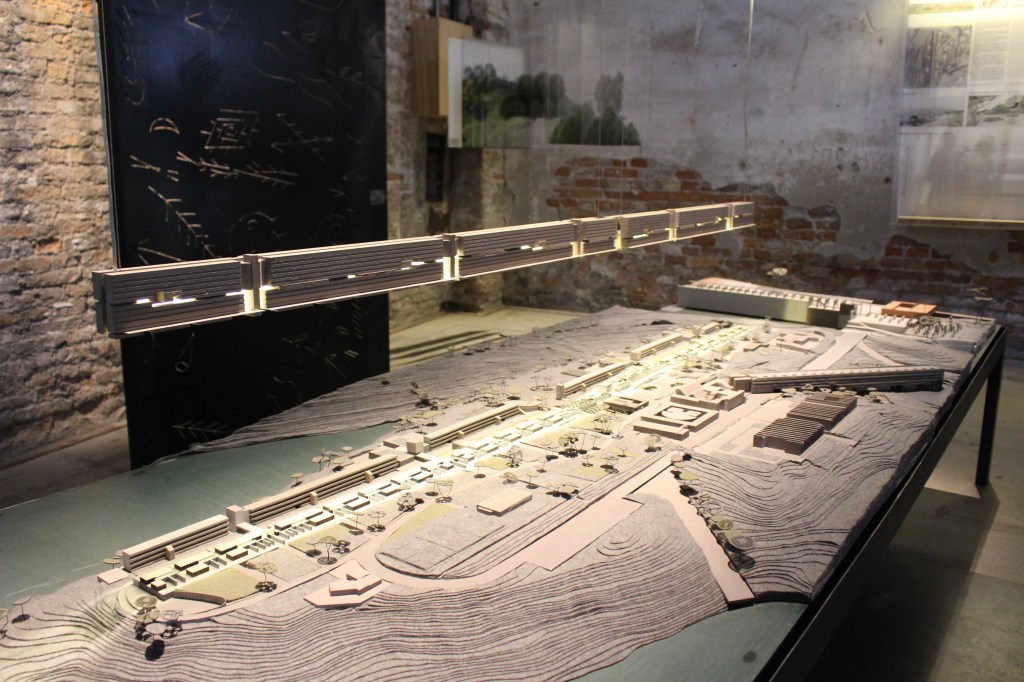
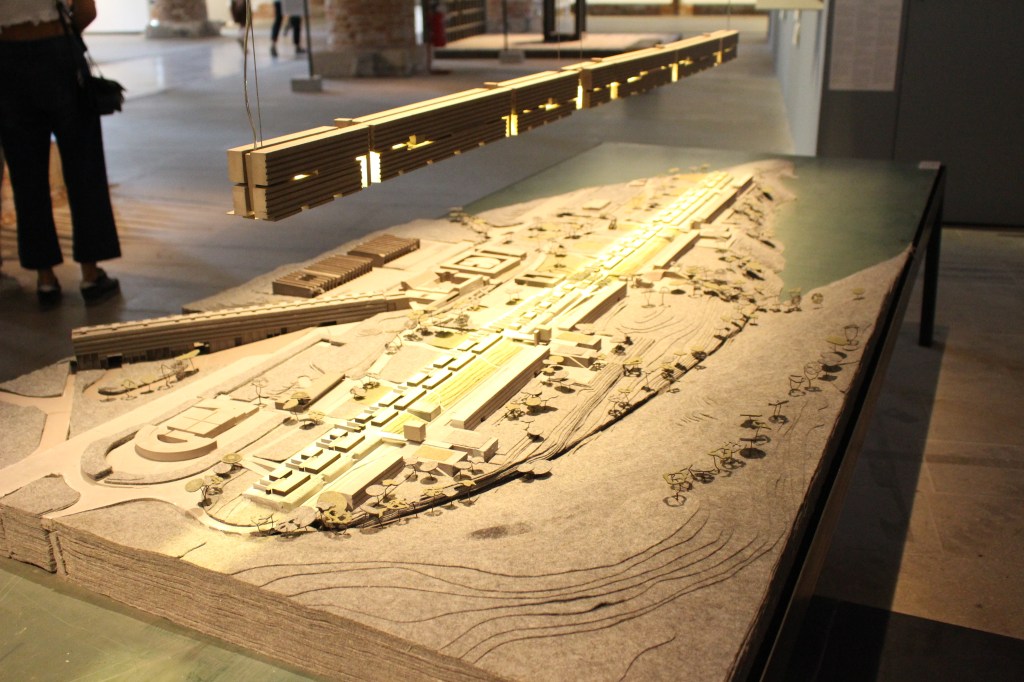
“The proposed project aims to reconstitute, at various scales, a clear system of relationships between public spaces and circulation – “from the territory to the landing” – recovering the original intention of setting up a “piece of the city”, especially at the intermediate scale of city.”
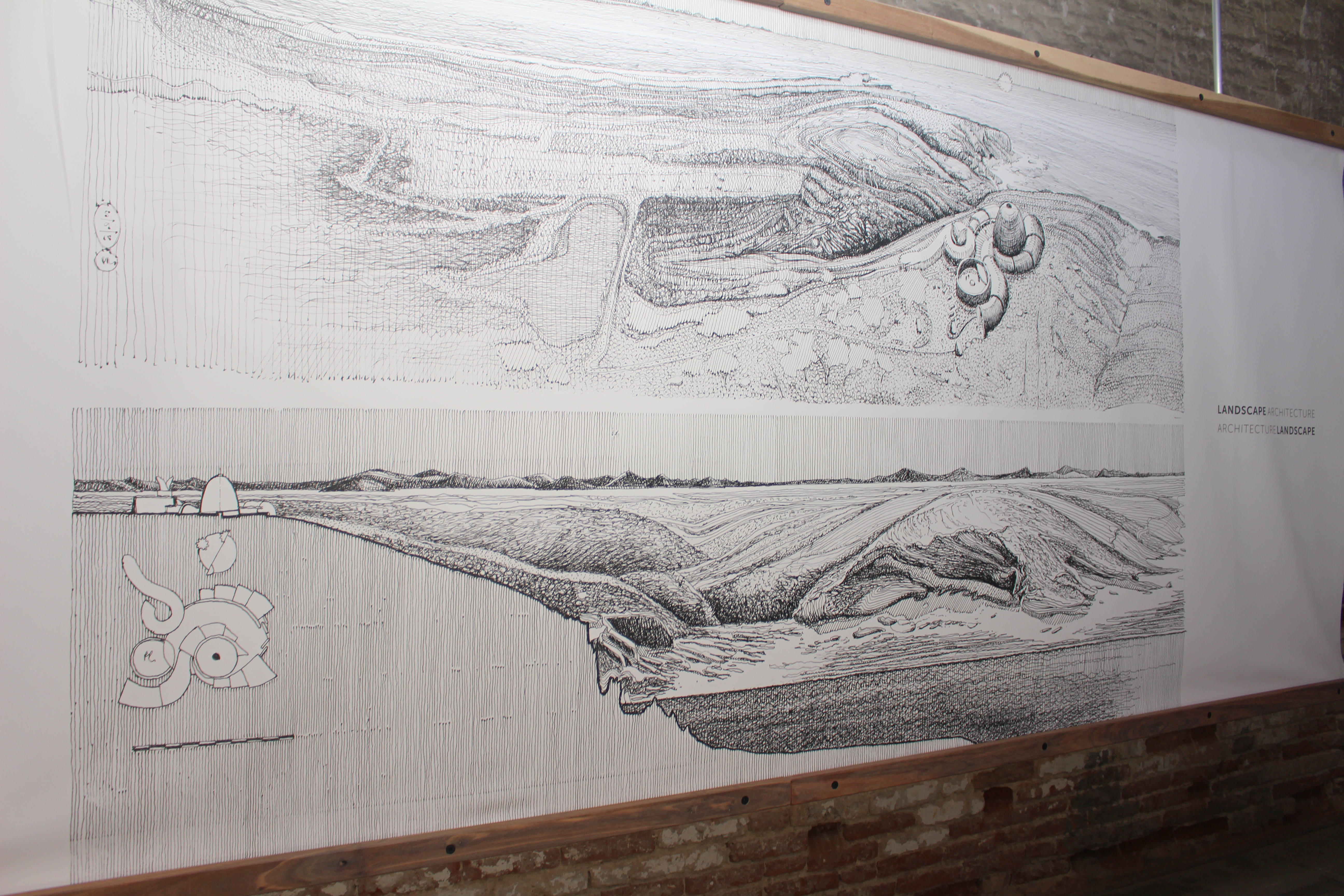
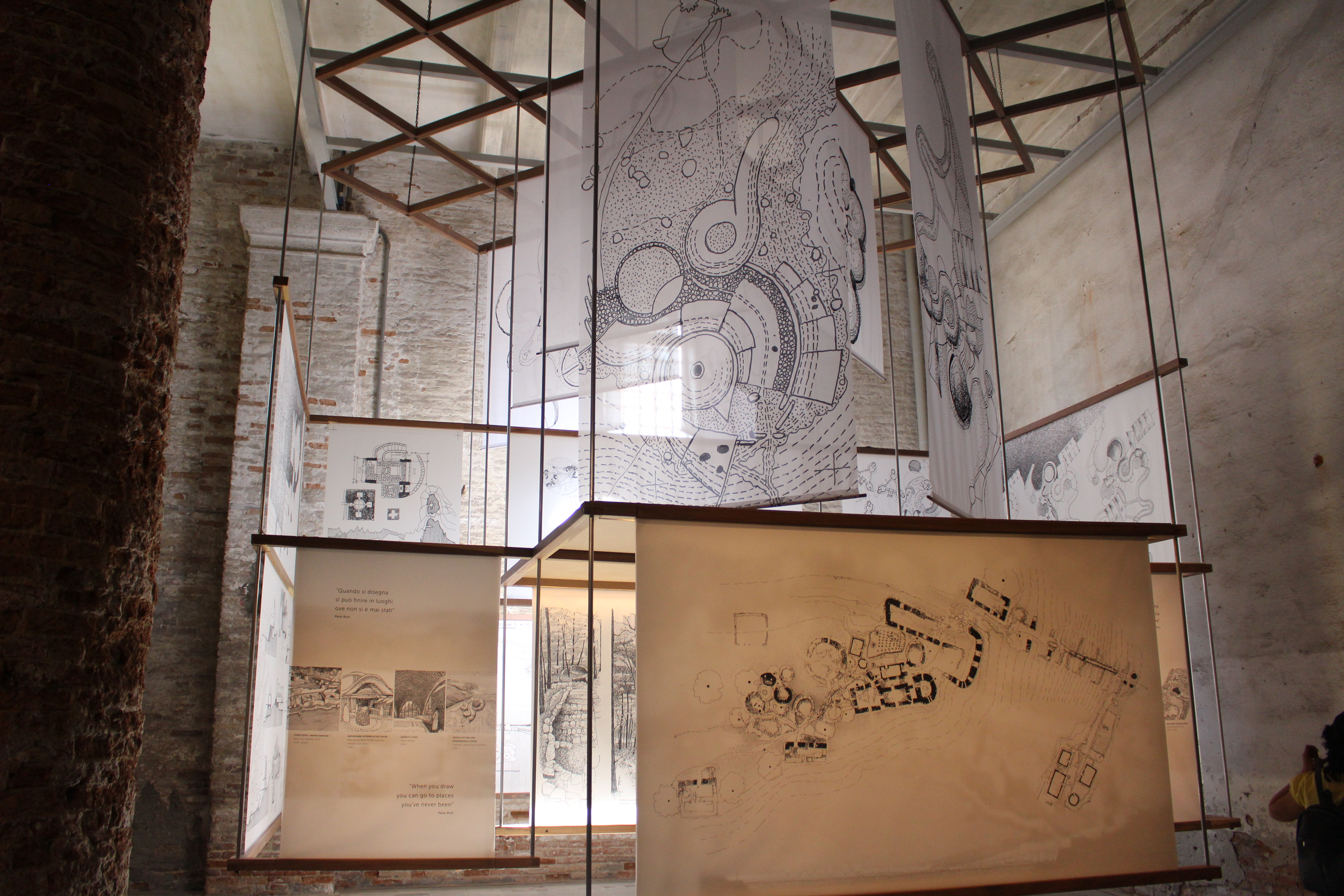
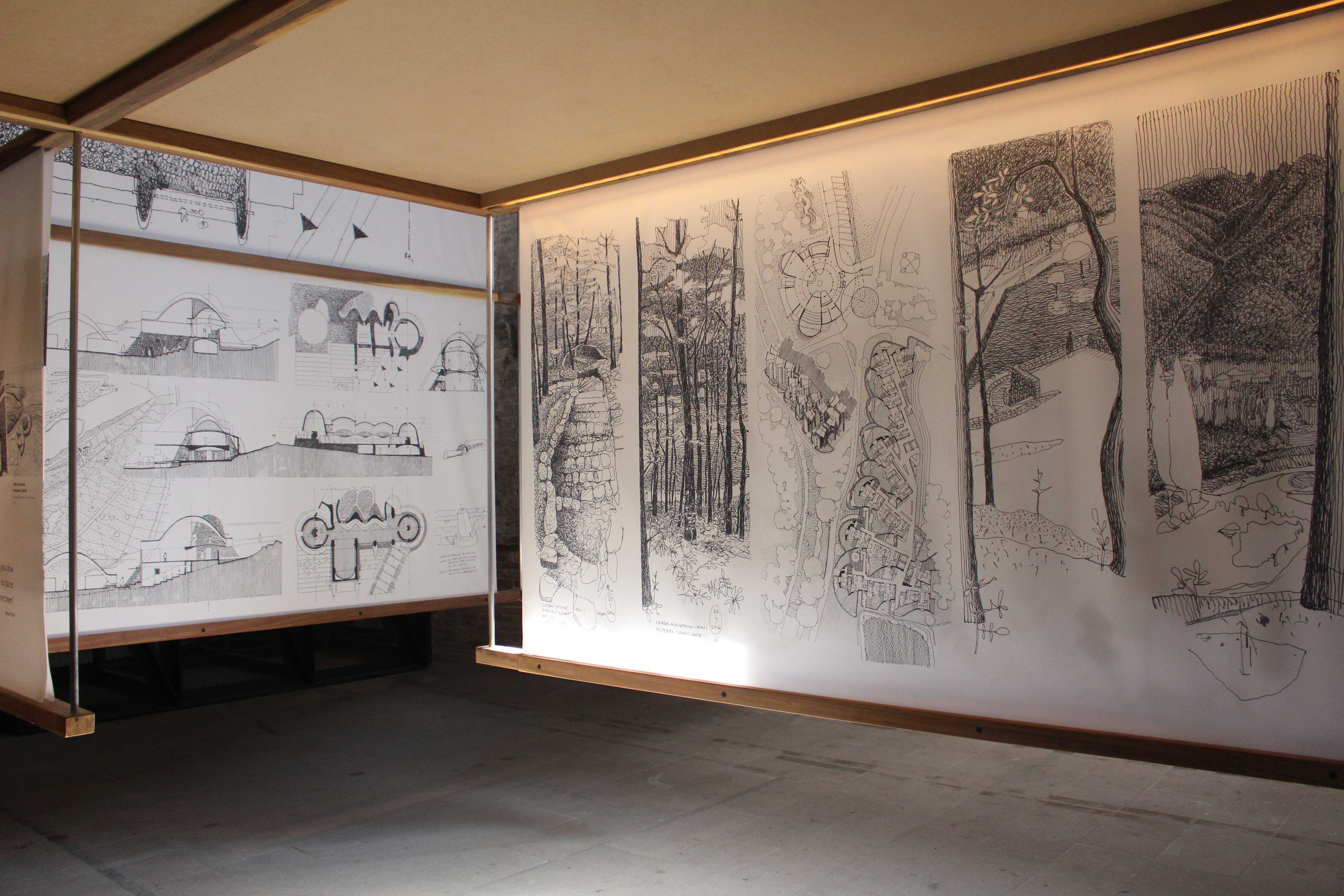
In times of CGI and 3D images, it was refresing and nostalgic to see large sheets of hand drawn drawings.
“Peter Rich seems to think and see with his hand. His fluent, vibrant drawings show a keen observation of the world around him, picking up the tiniest of detail in the wall, on the ground, in the contour of the land, in the loose-fit organic forms of the vernacular buildings, the enclosures, the habitation clusters of South Africa. “When you start drawing you go to places you have never been”, he writes.”
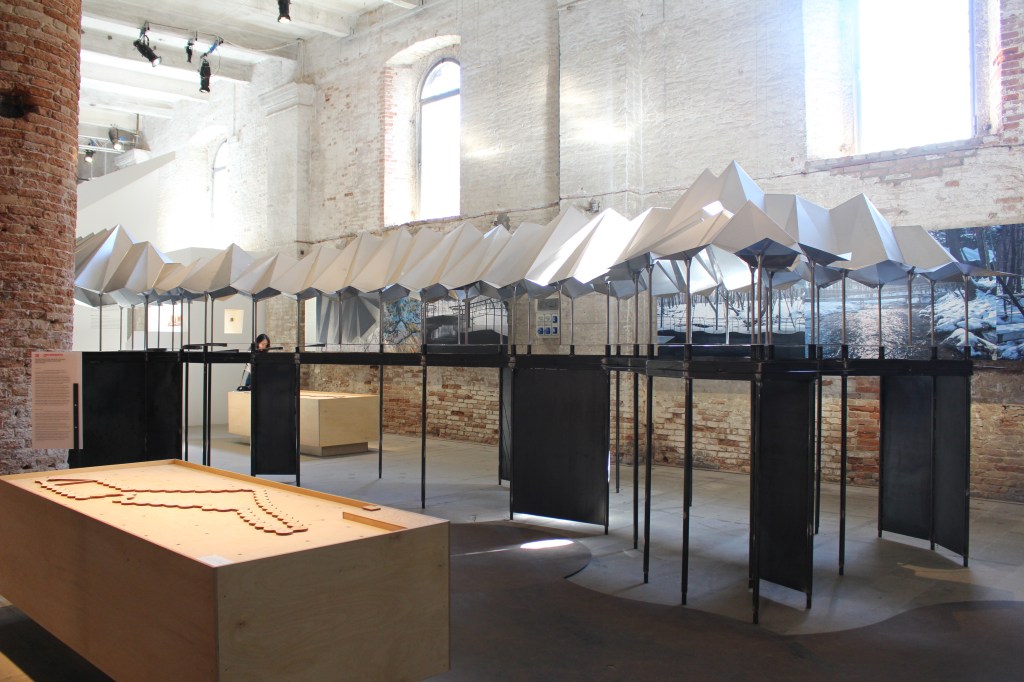
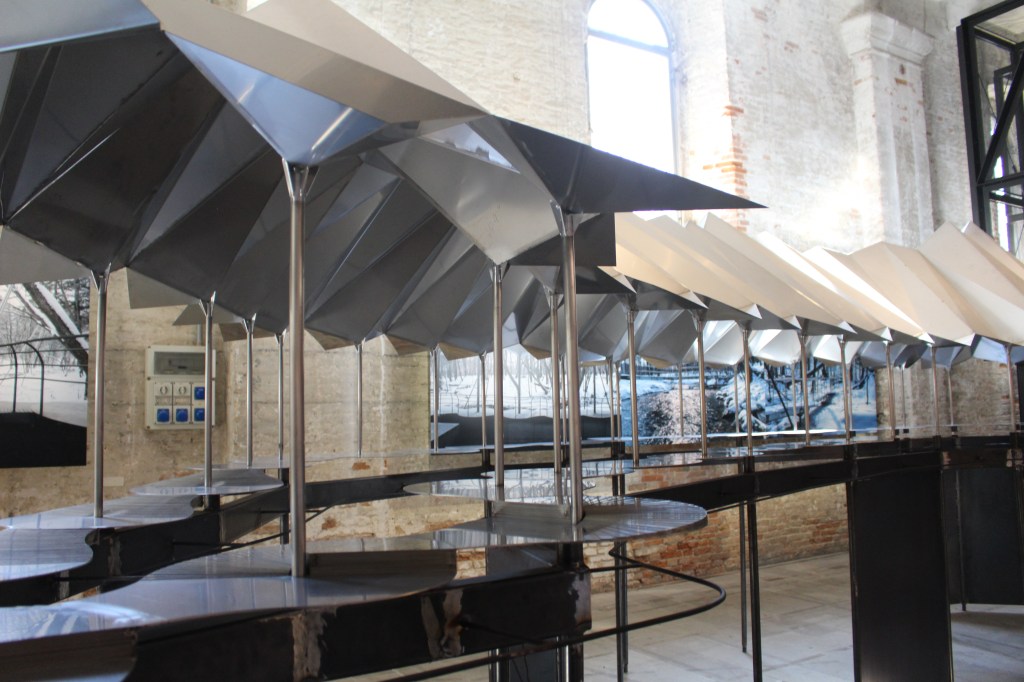
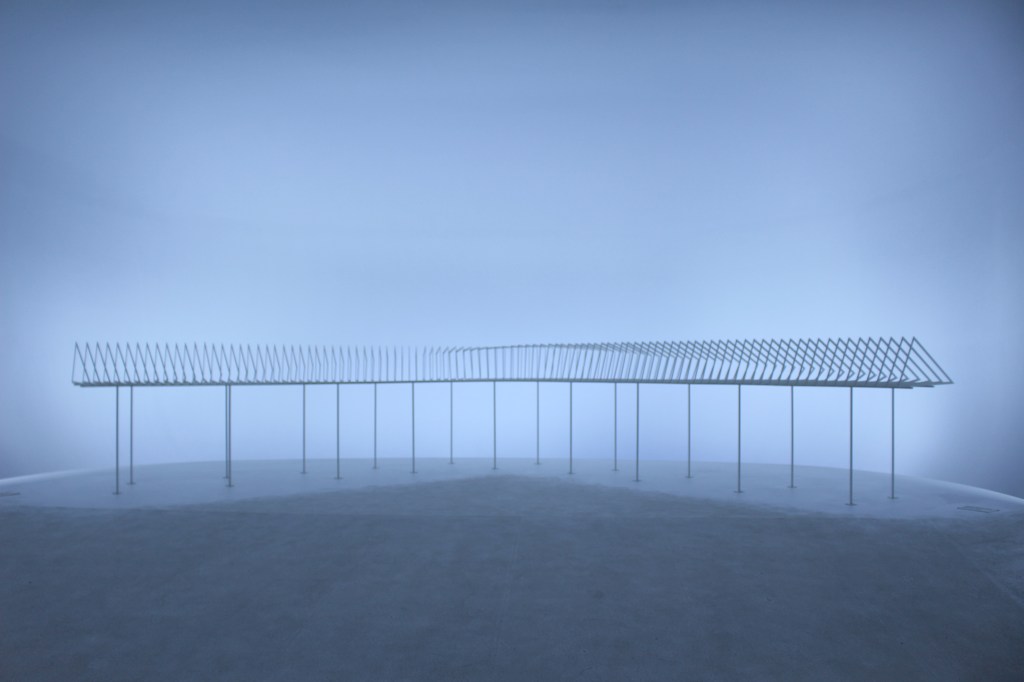
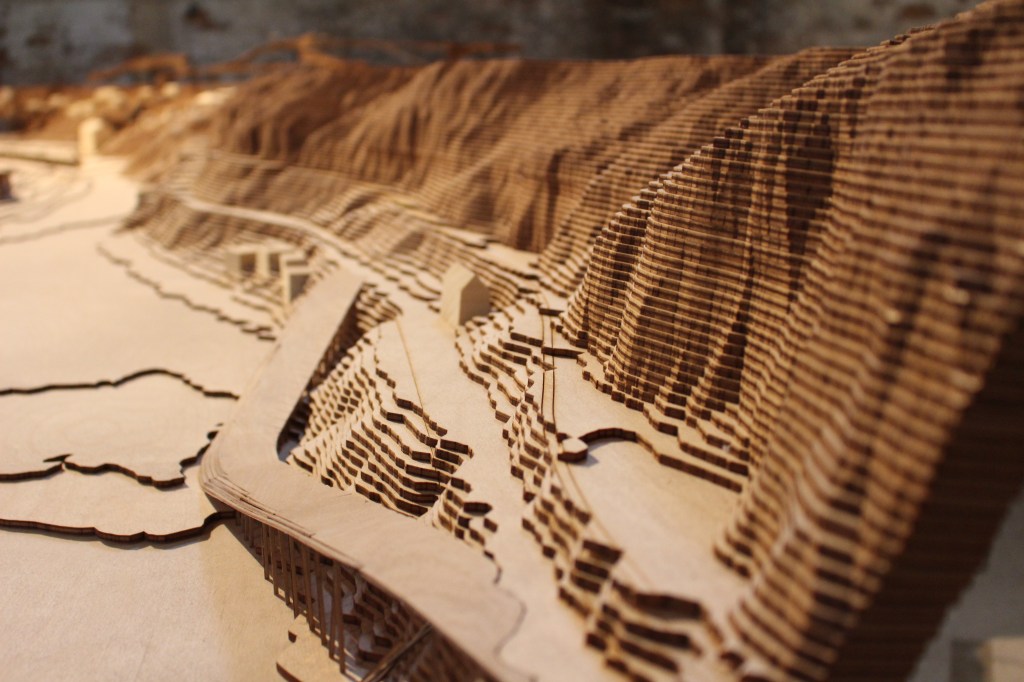
“Usually, such an architectural idea only matures after it has been applied to a particular topography that allows us to shape the composition through a self-imposed doctrine. There might be a number of reasons why such concepts are appropriate in a specific case. In China, for our canopy or Protective Roof project, we found that space where we could build without destroying anything, and this for us is the essence of freespace.”
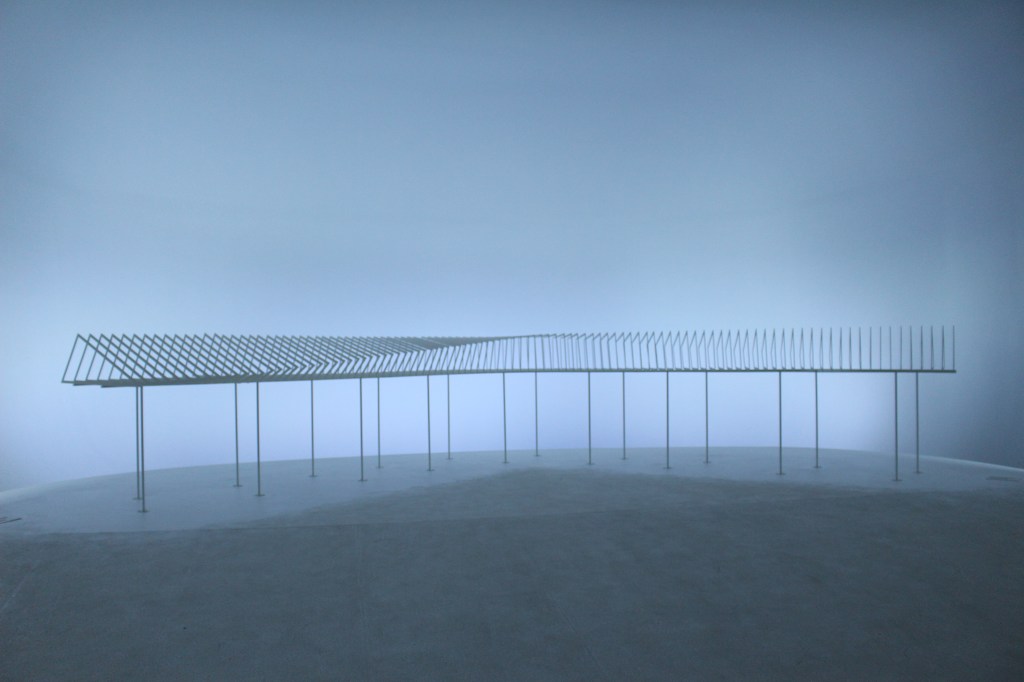
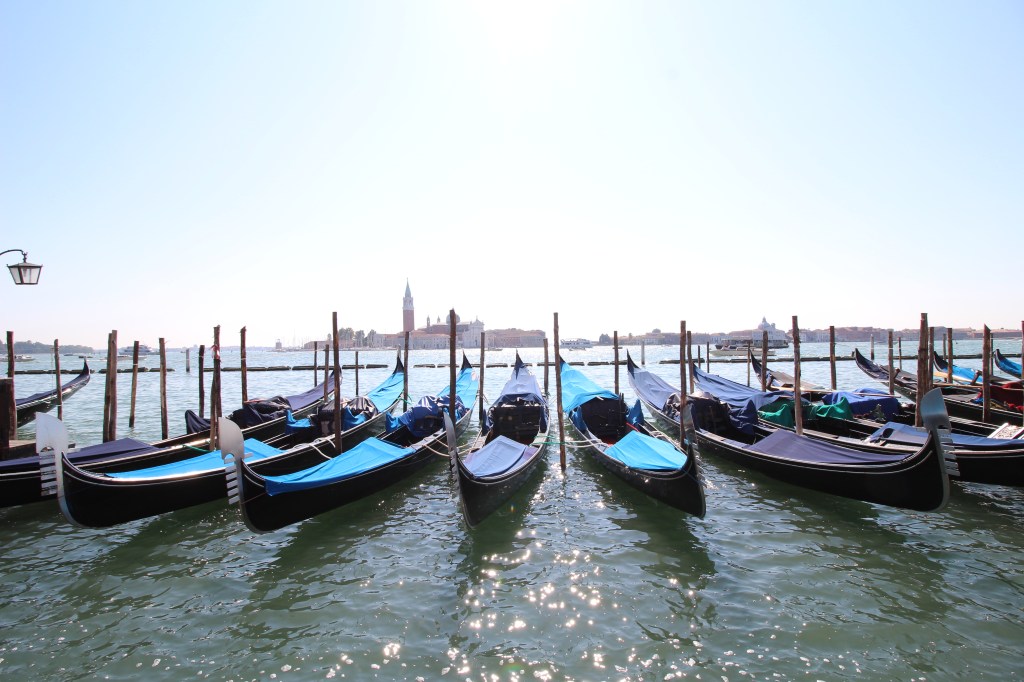
With this I end the memoirs of The Architecture Venice Bienalle, 2018. I would like to round it up with some uncaptioned images from our trip.
 Architecture, Art & Beyond
Leave a comment