An interactive theatre
Last year, for about ten days in the month of October we spent exploring Darjeeling and Kurseong in West Bengal, India. Our first family trip since our lives had been put on hold by Covid-19 for almost two years. There was so much to look forward to and so much to explore. It will be unfair to account the complete trip in one essay, so I am accounting here one part of the trip that was one of the main attractions.
My sister was very clear about which toy train to reserve for the trip. The steam engine one, she said, like the one from the iconic film Aradhana, 1969. I recalled the song from the film, the toy train chugging at the foothills beside the road and the rolling hills beyond it. It was something exciting to look forward to.
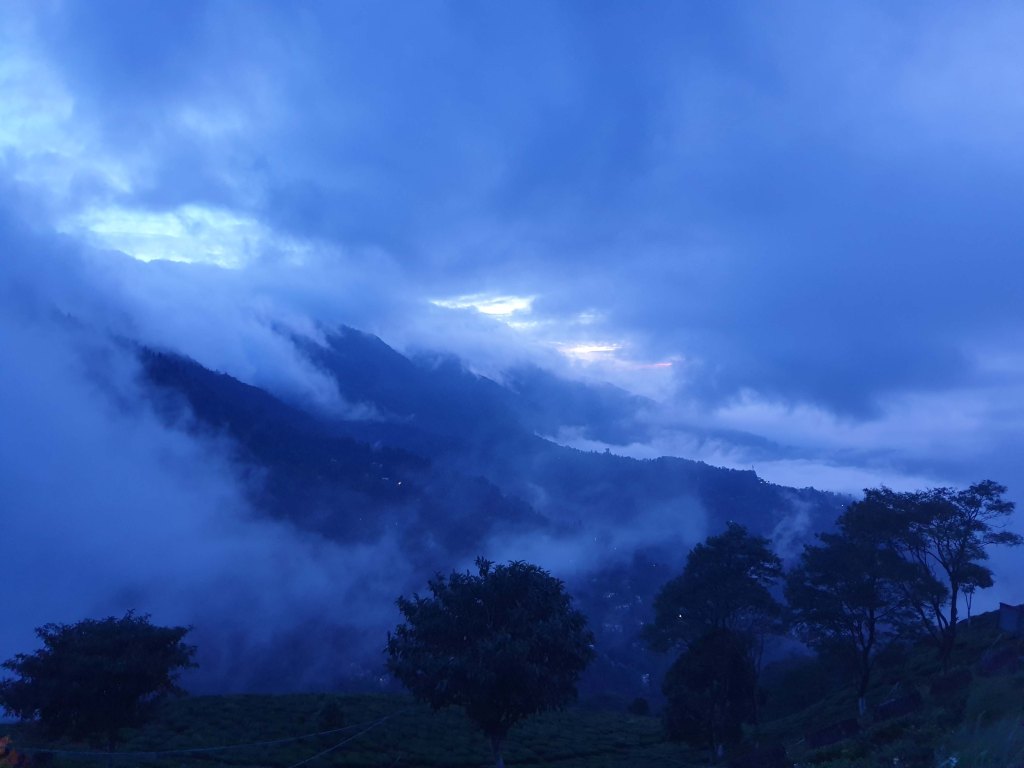
We drove from Bagdorga to Darjeeling through the lush tea estates and hills, through the roads that play hide and seek with the toy train tracks. The sudden spurt of rain and flowing mist in the distance, the wet roads and smell of pine trees and drop in temperature was signal that we were reaching Darjeeling. The one road that is the main access to the town is perpetually crowded at the town entrance, mostly due to tourists. We contributed suitably by joining the long queue of tourist vehicles.
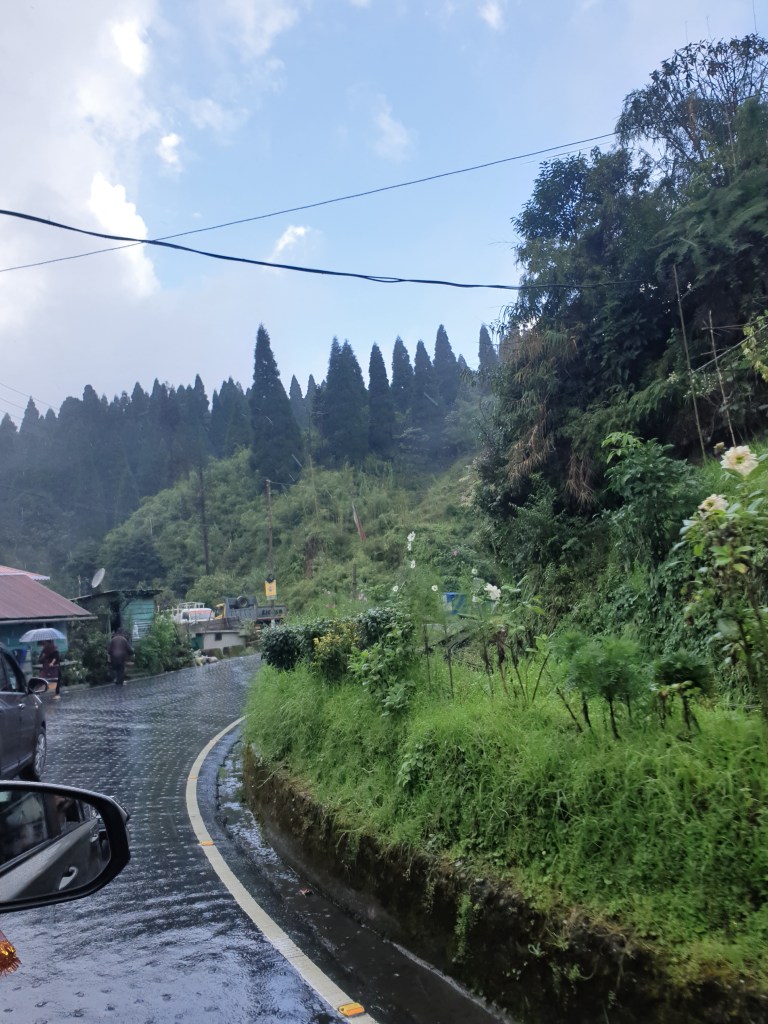
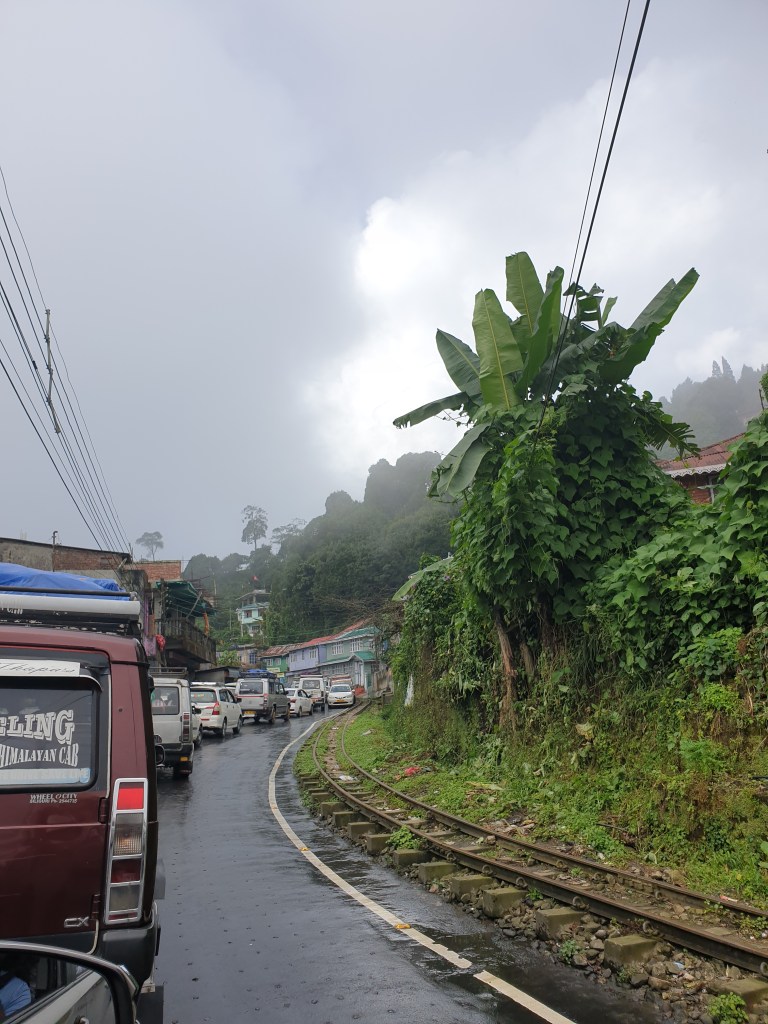
As we waited along the curve, the row of shops and hotels to our left, the gleaming toy train track to the right and the hill beyond, we heard a murmur from the cars ahead of us. Is it the train? we thought. And within a second a piercing whistle and whooshing of the steam engine confirmed the same. I joined, almost everyone in the cars, hanging out of the windows with the mobile phone to film the spectacle. And it did not disappoint. The ancient engine with the two bogies zipped past us as we the audience made contact with the passengers, who like actors in a theatre completed the scene. There was joy all around as we started to enter the town once the train passed us, there was a sense of accomplishment, having seen the theatre of the toy train up close.
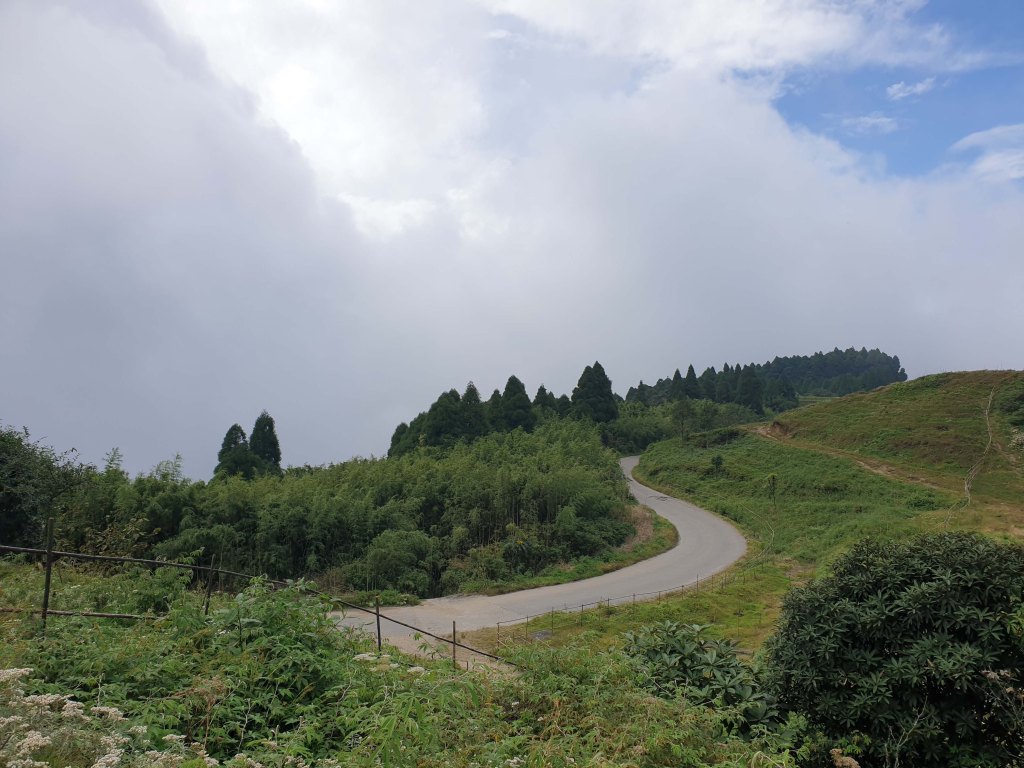
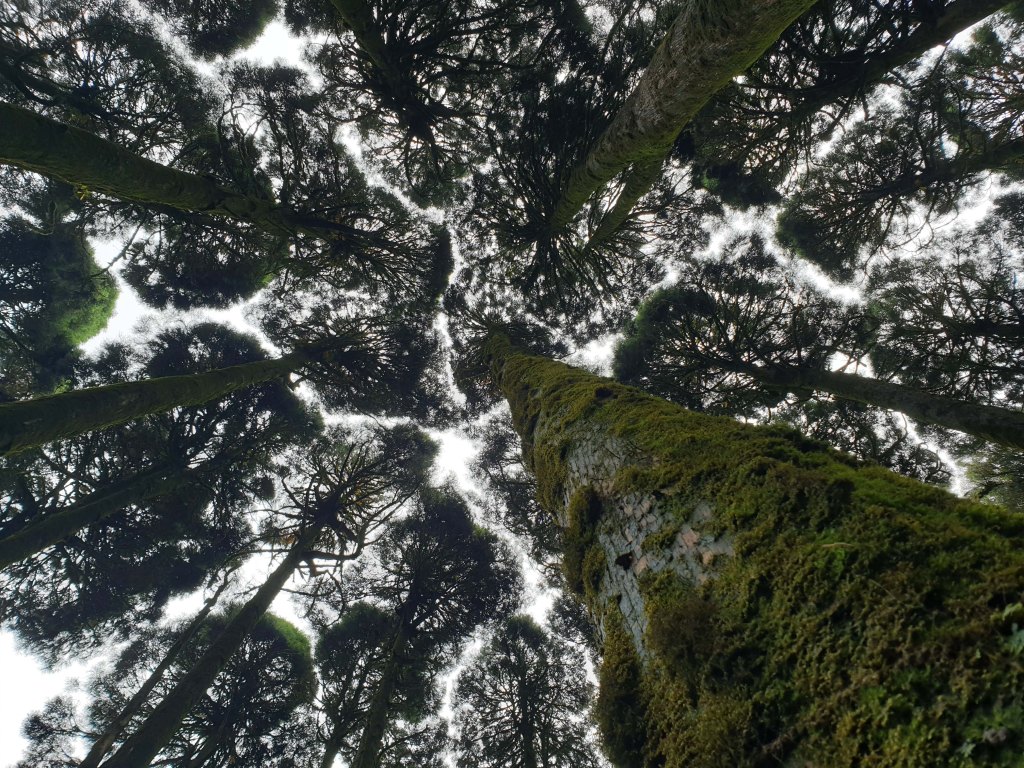
The next day, under the guidance of our local driver, we drove to the nearby hills to get a closer look at the rolling hills, greenery, pine forest and the mist. On our drive, partly through the same road we drove to reach Darjeeling, I observed that the shops on the other side of the road were almost in a continuous row, barely allowing a glimpse of the hills beyond. I wondered if we would be able to see anything from the toy train ride the day after. Our driver explained, that, one day, many years ago truck loads of immigrants from a neighboring state, arrived. In no time the immigrants were selling vegetable and started opening shops along the main road soon after. As the town kept getting crowded, the common language changed from Nepali to Hindi and the usual afternoon siesta of the native shopkeepers gave way to uninterrupted services for the full day with increase in competition. He didn’t sound pleased.
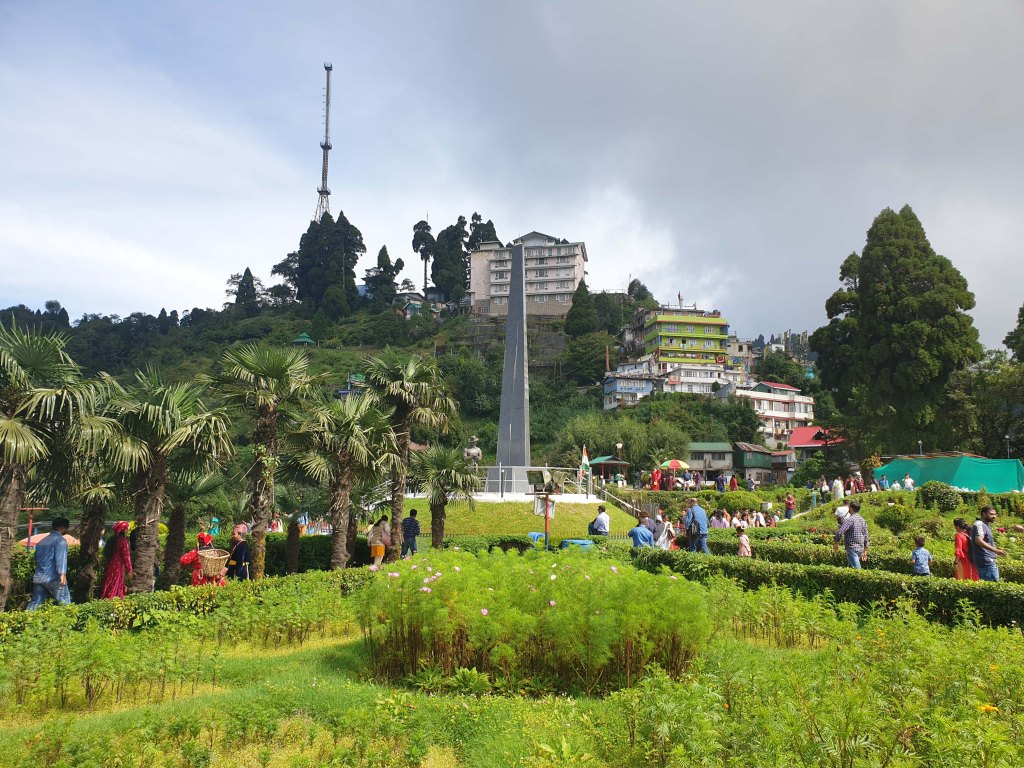
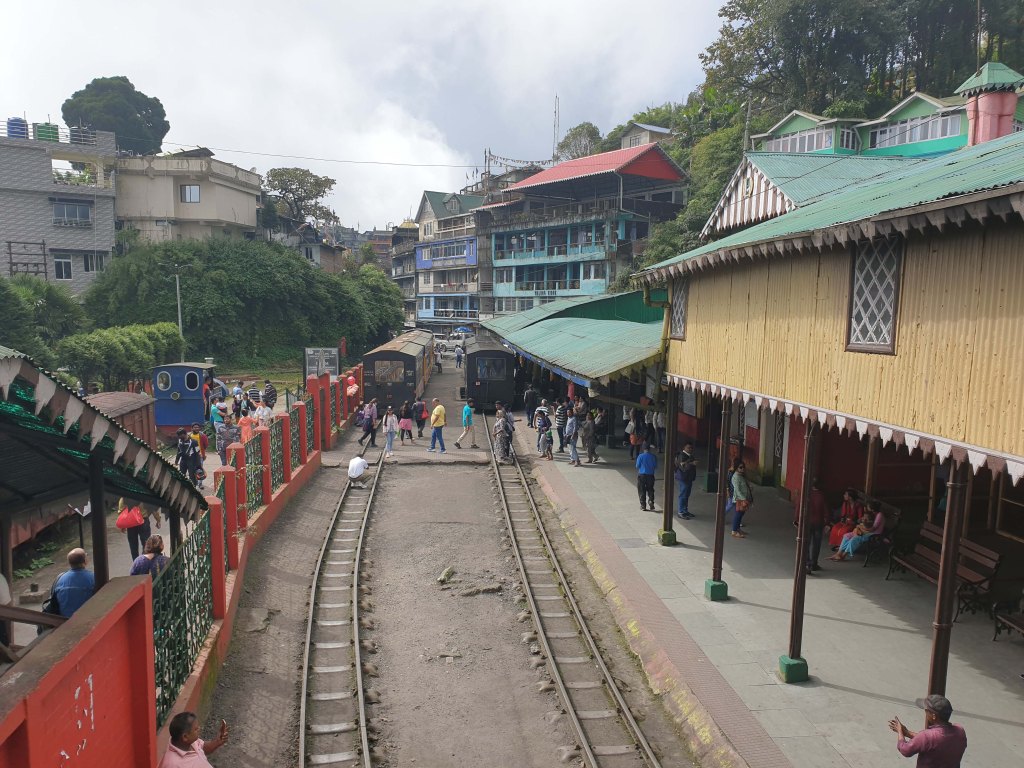
The much-awaited day of the toy train (UNESCO world heritage site) ride finally arrived. We navigated through the overcrowded platform, overflowing with tourists waiting for their respective trains and reached our coaches with the steam locomotive fiercely emanating smoke in anticipation of the journey. It was exciting. The excitement was matched by the stop at the Batasia loop with its beautiful garden and the stories in the Ghum Museum, albeit appearing a bit derelict.

But the journey to-and-fro from Darjeeling was nothing like the scenes form the film Aradhana. As black soot from the locomotive covered the glass roof and my lap, the outside on one side was the grey of the hill and row of shops at the end of the road with little to see beyond. And what lay between the shops and us in the train was the road with queue of tourist vehicles waiting for the train to pass. The tourists in the vehicle were hanging through the windows with their mobile phones recording the passing train. These were the new audience, we the actors, I concluded the interactive theatre of the Darjeeling Toy Train was complete.
 Architecture, Art & Beyond
Leave a comment