Published on 21-Aug-2024 by The Telegraph, India.
I clearly remember five distinct seasons growing up. Each season had distinct spans over a few months with joys of seasonal activities, flowers, vegetables and fruits interspersed by predictable storms. These days appear to be different. And think of it a bit deeper and I can see the weather change over the decades, now mostly its summer with a few months of rain and winter and then summer again. This year, though summer has announced itself, almost like never before. Days are unbearably hot, and nights don’t cool down. Almost like living in a city in the Arabian Peninsula.
By now the realization is almost belief that it won’t be much different next year. The question is how to mitigate this extreme weather condition and allow ourselves some comfort in the confines of our homes. This weather pattern is common in Middle East and over the years the cities have adapted their built environment with the advancement in construction technology to negotiate the extreme climate. Buildings of all types are governed by strict byelaws regulating thermal insulation requirements of walls, roofs and façade. There are defined u-value requirements that can only be achieved through insulating the buildings.
We can look back into our past for materials and construction techniques, and what we will find is that we always knew how to insulate our huts, bungalows, and buildings, but traded it for rapid urbanisation. Thick stone or mud walls, cavity walls, shading pergolas, courtyards were some of the features that were staple for any construction before we moved on to contractors getting a free reign in constructing ‘matchboxes’. These buildings ranging from single storey houses to apartment buildings were mostly built on basic post and lintel construction with brick replaced by concrete blockwork and reinforced concrete slabs and minimal or no setbacks. Over the years the construction technology has evolved, allowing large spans with flat slabs or post tension slabs, or steel structure and extensive Manhattan-like glass facades but insulation of buildings has largely been limited to large buildings complying with sustainability certifications like LEED or Griha. This may have addressed the need for urbanisation in response to ever increasing urban migration, but it has left us unprepared for the present and the future.
In this context of insulating buildings or passive thermal protection, it is worth noting the five principles of Passivhaus (a leading international design standard on sustainability and comfort) are super-insulated envelopes, airtight construction, high-performance glazing, thermal-bridge-free detailing to prevent heat transfer, and heat recovery ventilation (simply put, optimal air circulation). The passive thermal protection of buildings can be achieved through insulation materials on the building envelope.
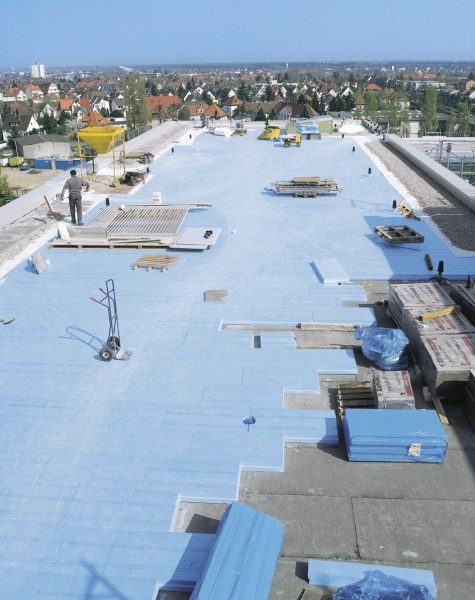
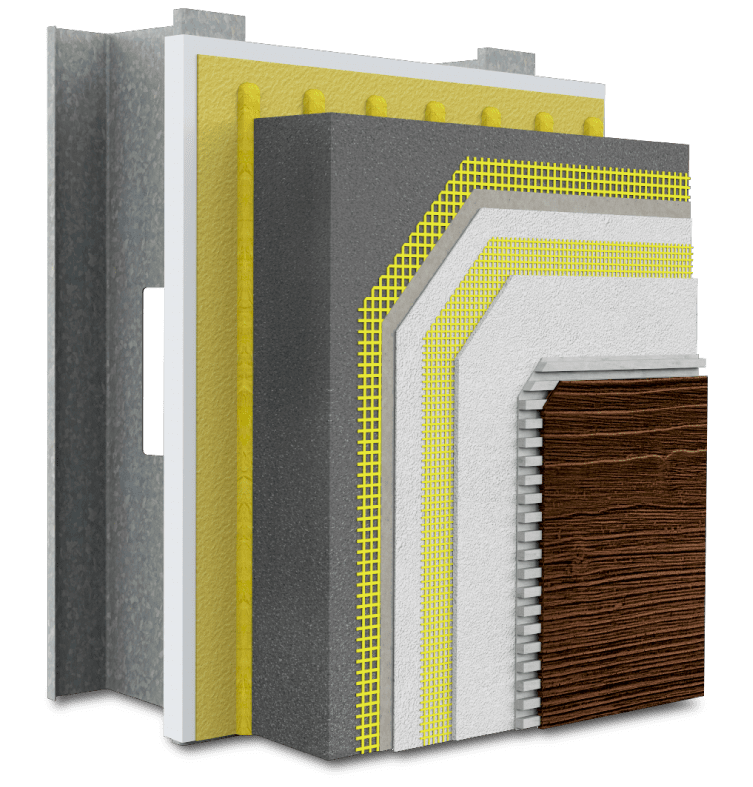
For example, extruded polystyrene (XPS), expanded polystyrene (EPS) or rockwool on walls (EIFS or behind cladding) and roof, pre-insulated blockwork with EPS, aerated concrete blockwork, pre-insulated corrugated roofing, double glazed unit curtain wall and windows, etc. all complying with defined u-value (thermal transmittance) requirements of thermal protection with membrane or liquid applied waterproofing are the part and parcel of construction of any kind in the Middle East. Passive thermal protection reduces dependence on active cooling (air conditioner) or heating (heater) thereby reducing consumption of electricity and in turn reducing emission of greenhouse gases.
Now, this must be adopted as a necessity for all new and existing construction in India. However, this needs to be regulated. India has a poor track record of fire protection of buildings and insulation like EPS as stated above if not regulated properly can cause fire or damage due to poor construction, an example being the Grenfell Tower, London fire in 2017.
There are numerous architects in India who inculcate passive thermal protection and sustainable features of construction in their design, but these mostly get limited to projects for clients with substantial budget. The lack of knowledge of majority buyer in this regard allows most construction in India to negate passive thermal protection of buildings as they never demand it, like they demand aesthetic elements like cove lighting, drop ceilings and modular kitchen cabinets. Thus, passive thermal protection is impossible to achieve without the state regulators making it necessary for developers and contractors to comply before providing building permits and building completion approvals, thereby preventing them cutting corners. This will also drive the design and construction industry to enhance its skills and aspirations rather than compliance.
Thermal protection or insulating buildings is a small part of the whole gamut of reactions that we need to implement in India for ensuring our cities, town and villages are livable. While the larger aspects such as reduction of emission, afforestation, energy generation, potable water availability, etc. are for the governments and authorities to invest in for the people, thermal protection of their homes for their own comfort needs to be by the people. We may not be able to turn back time and enjoy the fruits of gentle seasons, but we can surely create comfortable and sustainable homes to live it.
 Architecture, Art & Beyond
Leave a comment