The Venice Architecture Bienalle for this year has been postponed to 2021 for good reason. The news made me look back at the Bienalle, 2018. Curated by Yvonne Farrell & Shelley McNamara (Pritzker prize recipients of 2020). The Bienalle’s theme was ‘Freespace’. Here’s what they described Freespace, as mentioned in the Bienalle Brochoure:
“FREESPACE describes a generosity of spirit and a sense of humanity at the core of architecture’s agenda, focusing on the quality of space itself. FREESPACE focuses on architecture’s ability to provide free and additional spatial gifts to those who use it and on its ability to address the unspoken wishes of strangers. FREESPACE celebrates architecture’s capacity to find additional and unexpected generosity in each project – even within the most private, defensive, exclusive or commercially restricted conditions.
FREESPACE provides the opportunity to emphasise nature’s free gifts of light – sunlight and moonlight; air; gravity; materials – natural and man-made resources.
FREESPACE encourages reviewing ways of thinking, new ways of seeing the world, of inventing solutions where architecture provides for the well-being and dignity of each citizen of this fragile planet. FREESPACE can be a space
for opportunity, a democratic space, un-programmed and free for uses not yet conceived. FREESPACE encompasses freedom to imagine the free space of time and memory, binding past, present and future together, building on inherited cultural layers, weaving the archaic with the contemporary.”
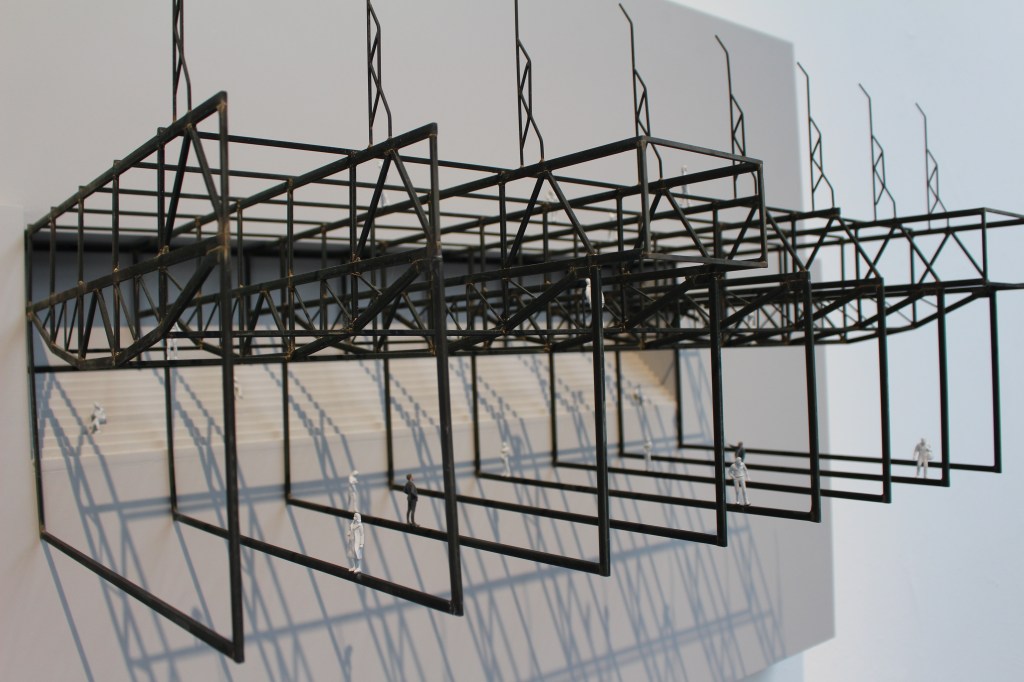
While the description of Freespace may seem all-encompassing, it starts with the simple idea of ‘additional spatial gift‘, something that is more relatable in today’s context as most of us are locked up in small apartments stacked up in tall towers due to the pandemic. How invaluable some Freespace can be right now?
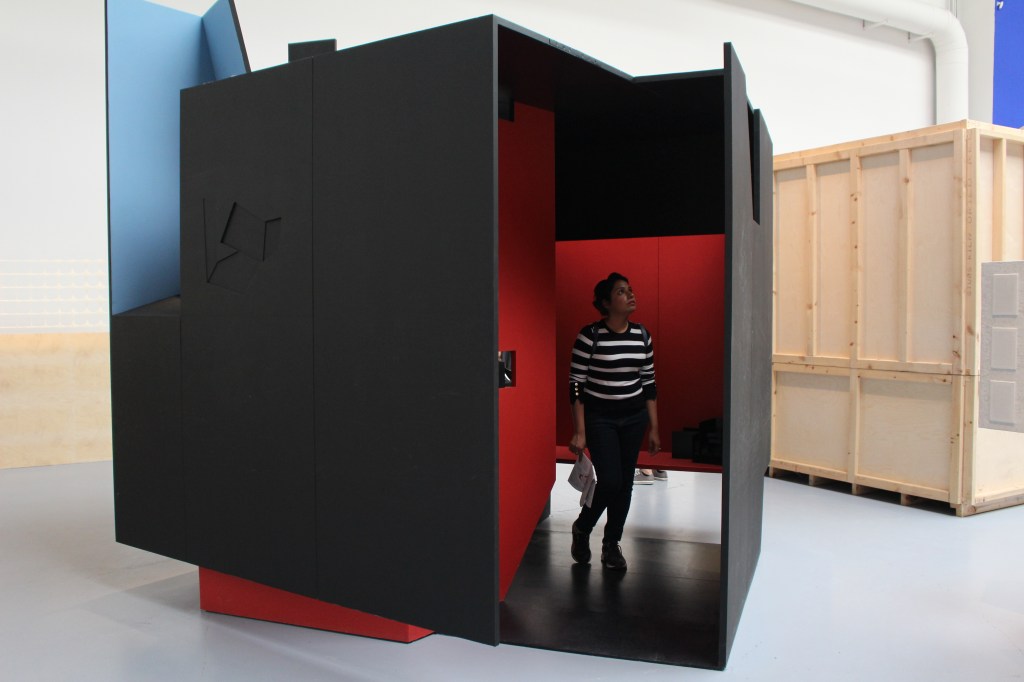
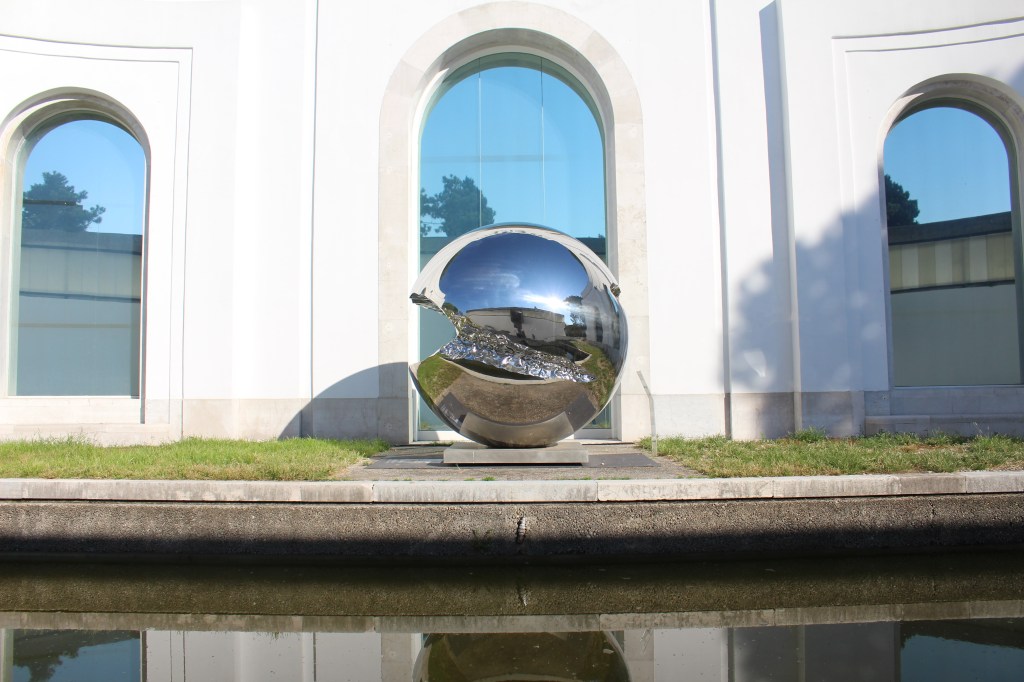
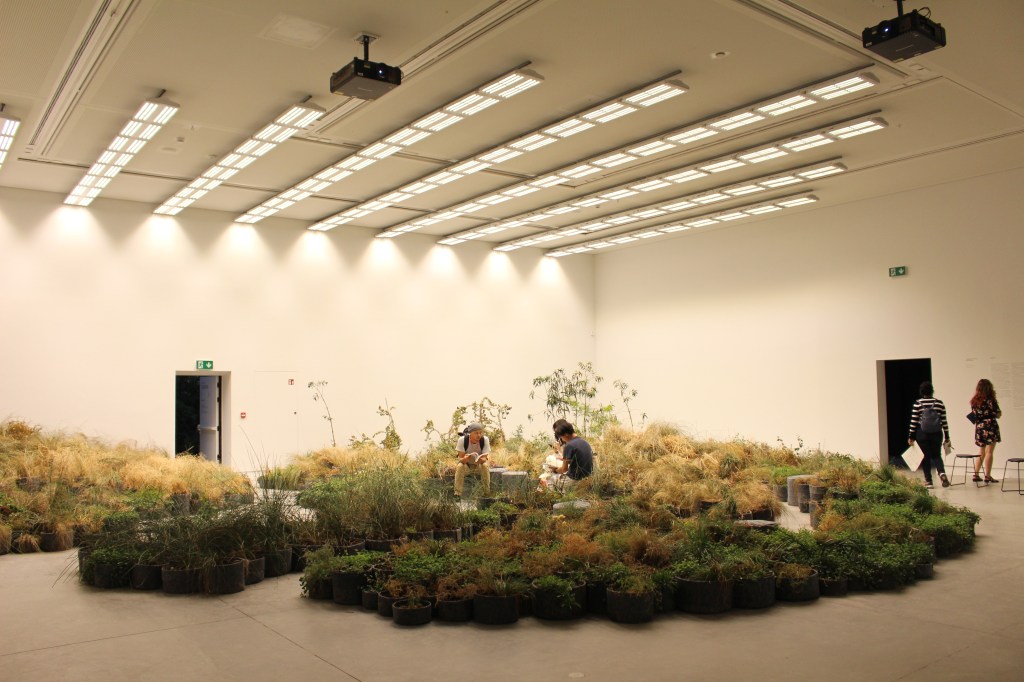
It is impossible to catalog all the works exhibited at the Bienalle, I have
here a few photographs of some striking exhibits that were in Giardini,
some subtle, some controversial.
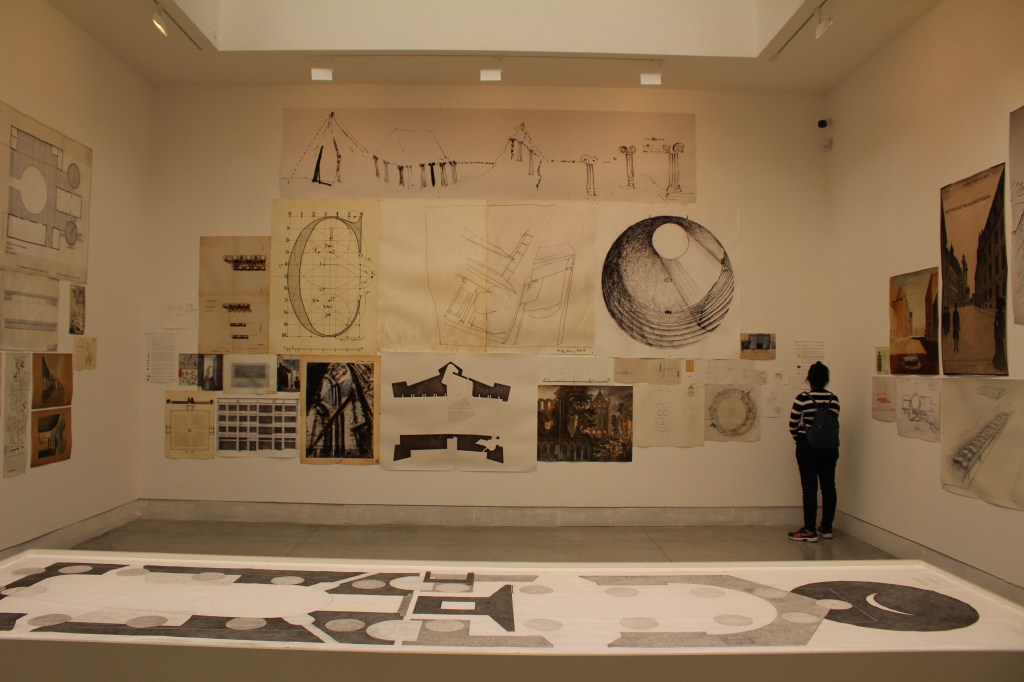
“Long before writing, was drawing. At the dawn of our becoming, when animals and plants were equal, (or even more revered) co-habitants in the universe, drawings became incantations for their eternal return recreating the desired, as gifts for gods.”
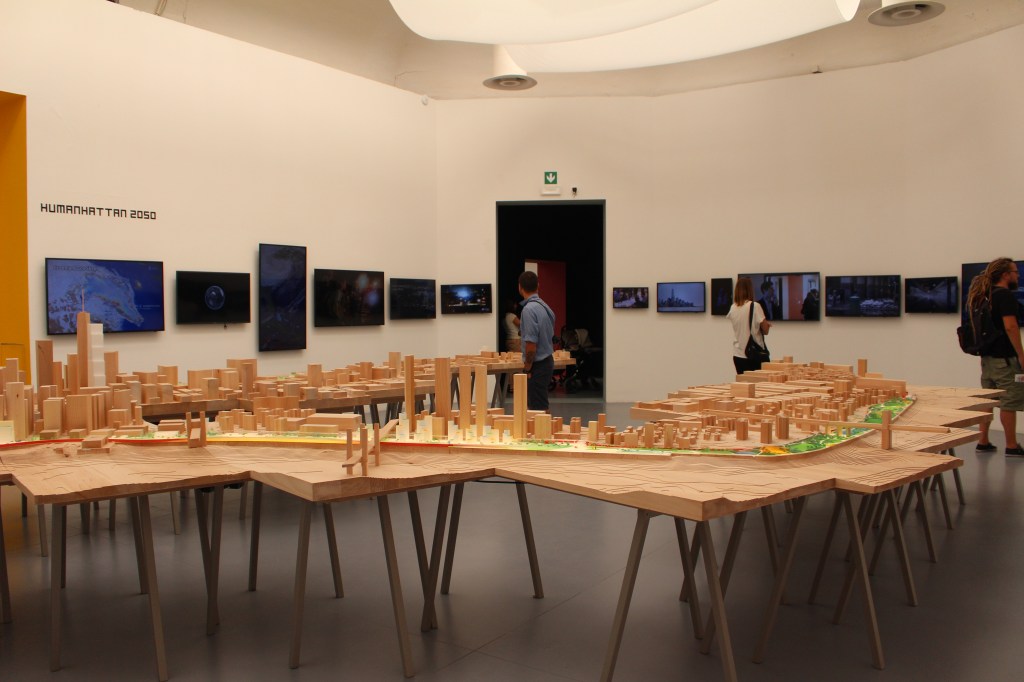
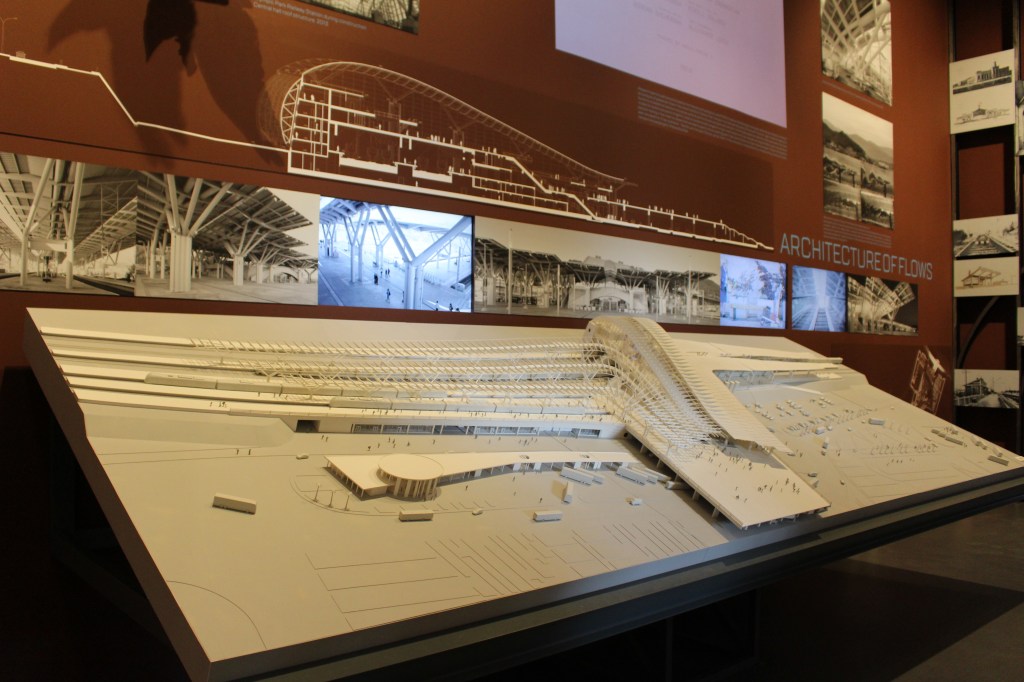 Architecture of Flows
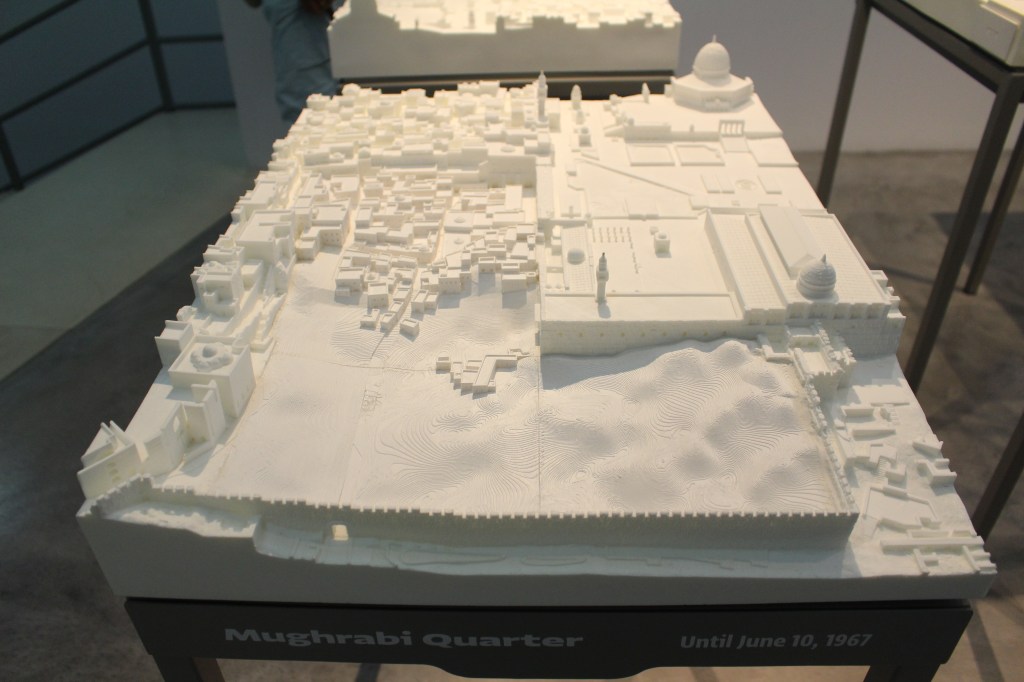
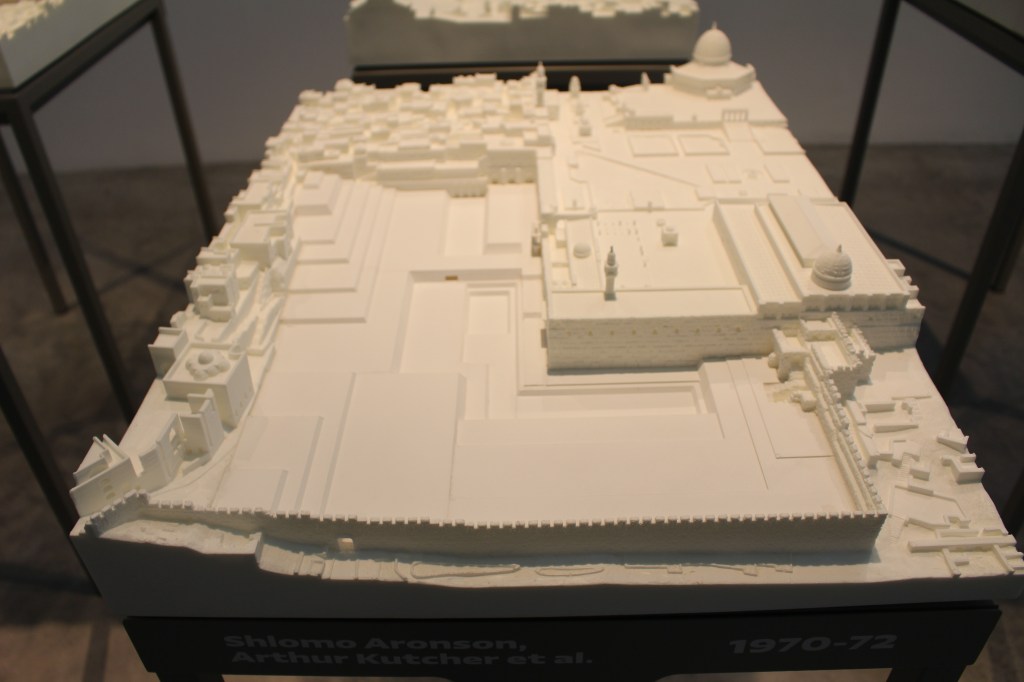
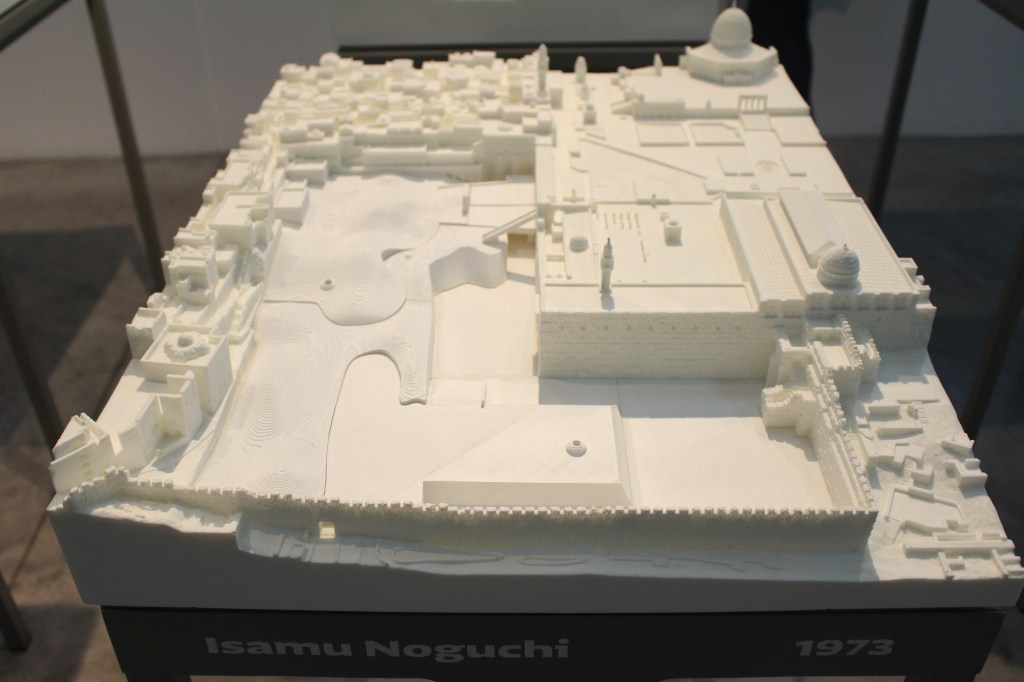
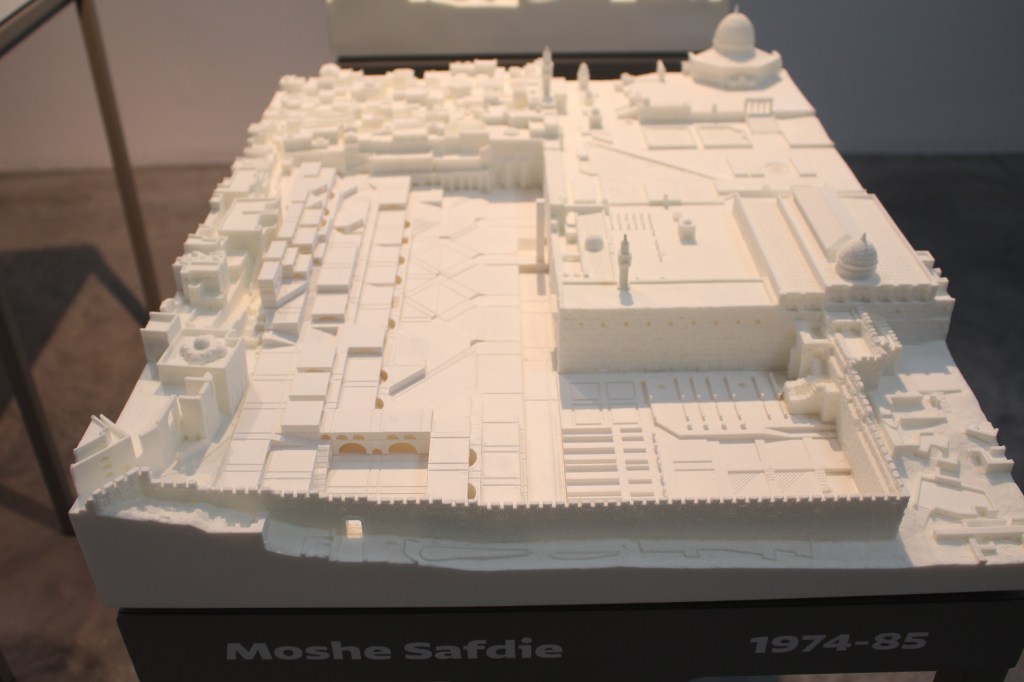
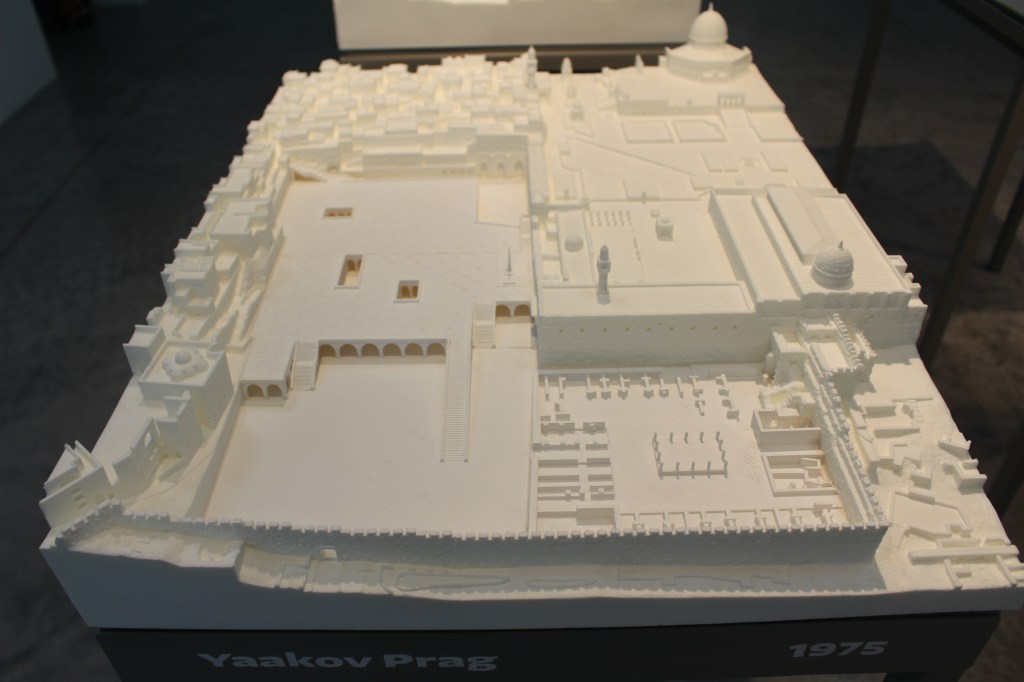
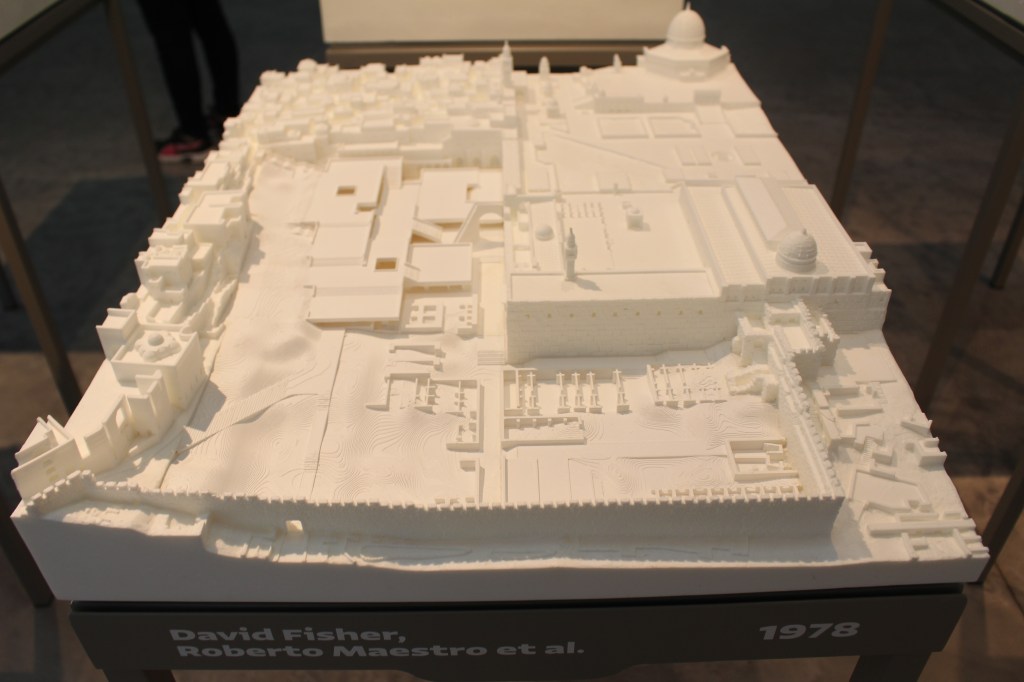
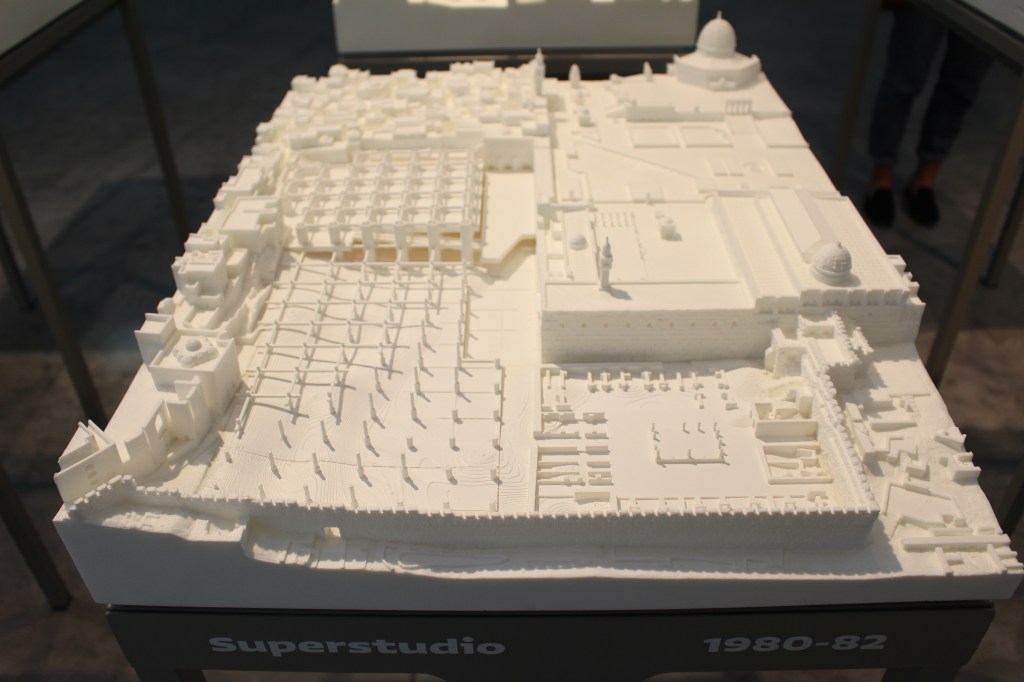
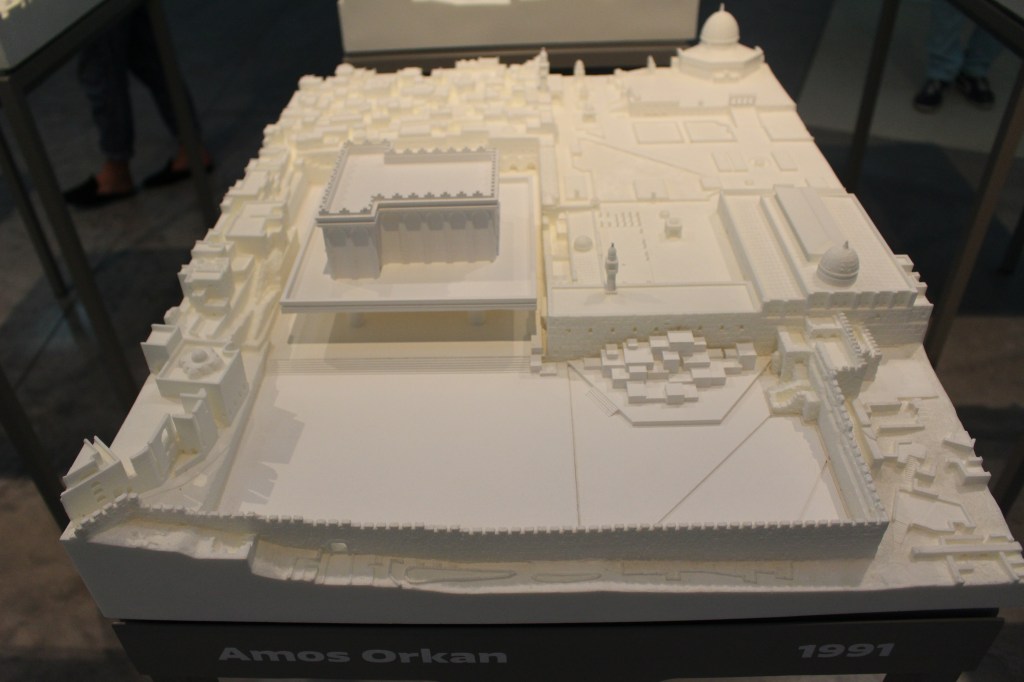
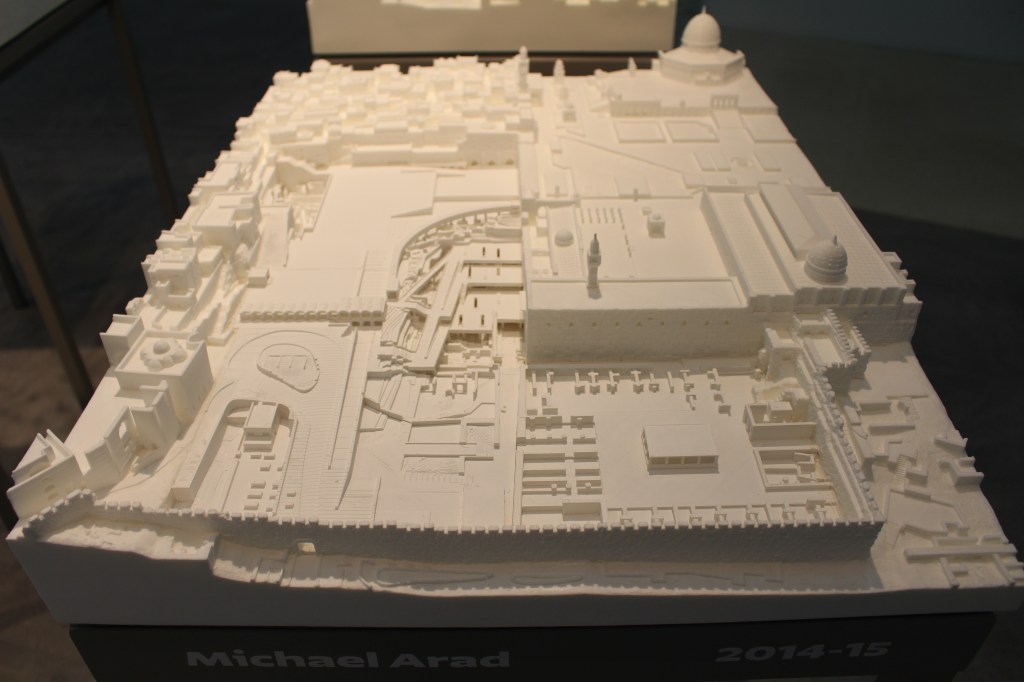
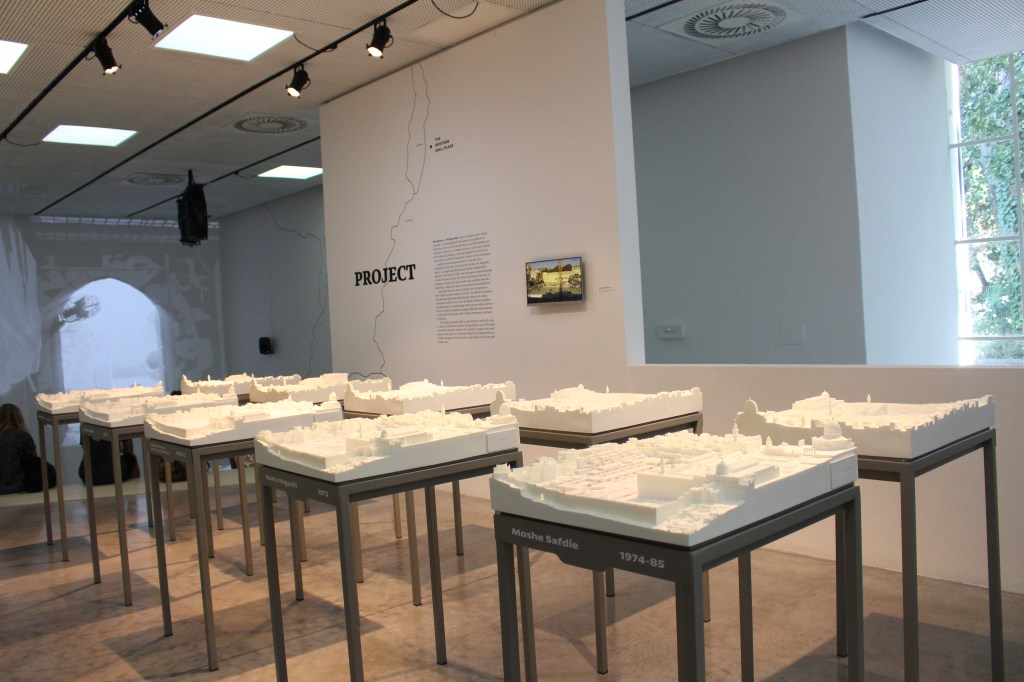
“The Western or Wailing Wall – Kotel in Hebrew and Al-Buraq in Arabic – is a retaining wall that supports the platform of what Jews refer to as the Temple Mount and what Muslims call al-Haram al-Sharif, or the Noble Sanctuary. As the only remnant of the destroyed temple, it was long regarded bu Jews all over the world as a symbol of longing for a return to their homeland.
Shortly after Israel gained control of the Old City of Jerusalem in June 1967, during the Six-Day War, the Mughrabi Quarter – and eight hundred-year-old Muslim neighbourhood adjacent to the Western Wal – was destroyed to allow thousands of Jews to access the holy site. Thus the Western Wall area, an intimate courtyard only four meters wide, suddenly became a vast plaza, a tabula rasa open for interpretation and definition.
Since that summer many architects and entrepreneurs have sought to leave a mark on the site. The different proposals are clear manifestations reflecting two distinct yet closely connected conflicts: one is over the balance between Judaism and statehood in transforming Israeli society, while another is in Israel and the Diaspora. The twofold controversy continues to this day.
The design proposals offer an opportunity to study the ways in which architectural projects take positions in one of the most contentious national debates. The inability to come to an actual decision and agree on a definitive design for the plaza reflects a broader struggle over the character of identity of the post-1967 Israeli state.”
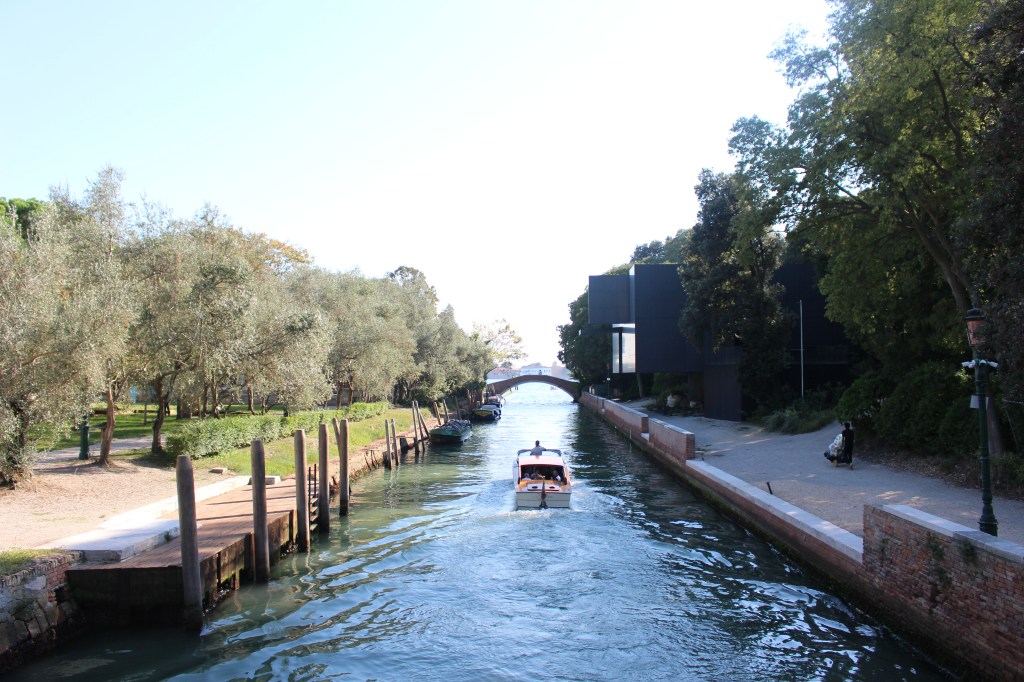
With Prison to Prison, an Intimate Story between two Architectures, they explore two similar and yet very different places, addressing the existence of an unprecedented Freespace in two types of prisons in Uruguay.
https://www.floornature.com/blog/biennale-architettura-2018-padiglione-uruguay-prison-prison-13958/
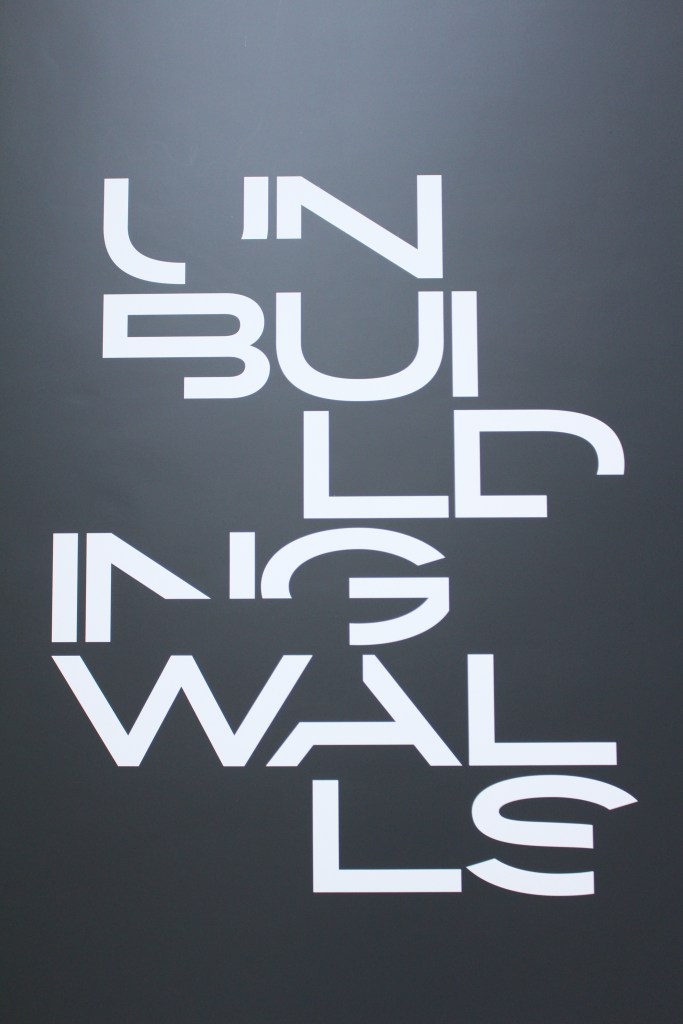
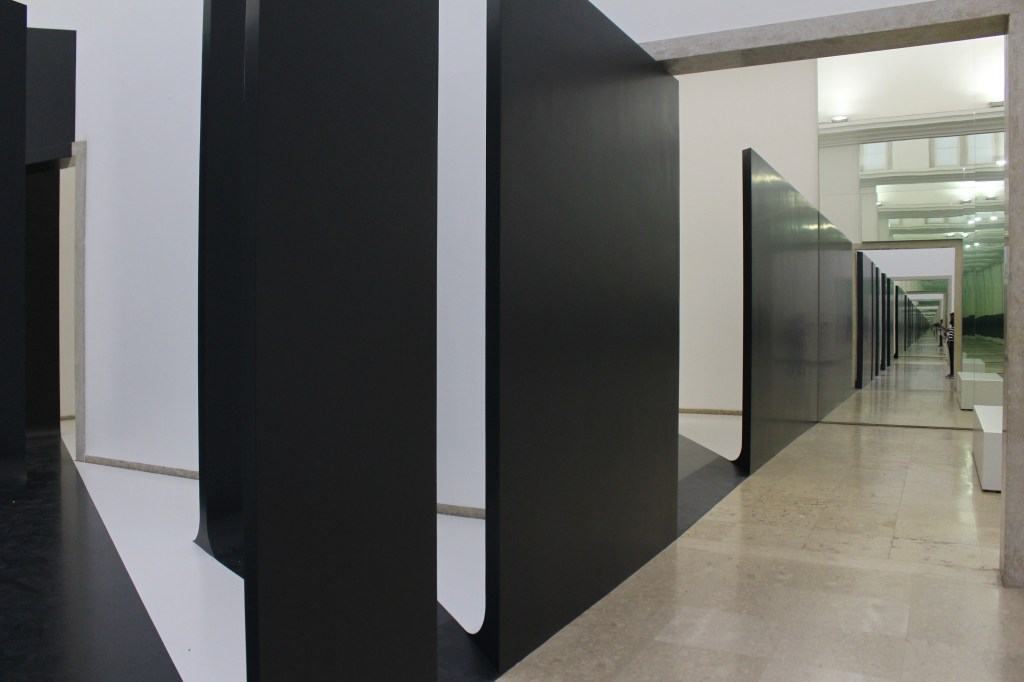
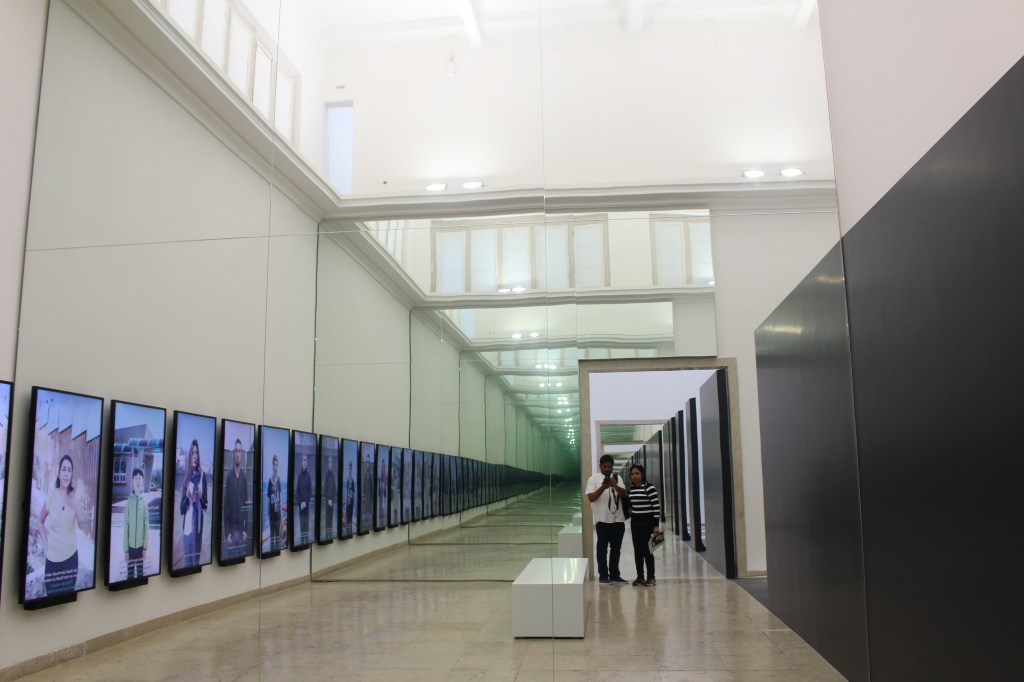
“The Berlin Wall existed for 28 years and it has been 28 years since it fell. The Wall and death stripe left behind a mom-place, an empty space shaped by violence and destruction.
The Wall of Opinions video installations documents the voices of people who live in the shadow of walls in Cyprus, Northern Ireland, between Israel and Palestine, the USA and Mexico, North and South Korea and the European external border in Ceuta.”
 Architecture, Art & Beyond
Leave a reply to Freespace: Part II – Architecture, Art and Beyond Cancel reply